Top Features to Look for in a New Home

Your home is your space away from the world, where you can slip away and recharge or relax while connecting with loved ones. It needs to be more than just a few walls and simple rooms. These are the top features everyone should be looking for in their new homes: and why they matter! Fantastic Siding That Will Last Your siding needs to be as strong as possible to protect your home. Although aesthetics matter, deciding what color people refer to your home as and deciding their first impression of your property, it’s also vital for it to be able to handle storms, moisture, and wind. Look for a property with a strong board and batten siding that’s recently been installed. Although you can simply replace the siding with something that matches your tastes if you go for a home with older siding, it’s not necessarily the best call since that can be expensive for a new home buyer. A Roof You Can Trust How old is the roof of the homes you’re looking at? Anything older than 20 years old will probably give you trouble within the next decade or two, causing you to have to put tens of thousands of dollars into replacing it. Instead, seek out a property with composite roofing that’s recently been replaced. Composite roofing, also known as synthetic shingles, is made out of recycled materials and allows you to get the look of slate or cedar shake: while also being ecologically sound. These roofs can last beyond fifty years if completed by the right company and are a good choice for almost anyone. Energy Efficient Details Energy bills are skyrocketing, so many buyers are making the smart choice of seeking out properties that are made to be more efficient. You can see these details throughout the home if you know what to look for. Properties with energy-efficient soffit panels that are well insulated and that have updated HVAC systems often deal with far smaller energy bills than their counterparts. A Feeling of Security and Safety You should feel secure and safe within your home. The best way to ensure you do is to look at the crime rates of the area you’re moving to and look at the details of the home that point towards it being a safer property. Are the windows newer, with good locks on them that you can switch whenever you close them? Are the doors good quality? You should also consider looking for exterior lighting for your lawn. This will not only help you show off your beautiful property at night, but it will stop people from trying to trespass at night since they’ll be easily spotted in the exterior lighting. Gorgeous Details: Even in the Garage Every inch of your new home should have details that show it was thoughtfully constructed and updated. A major point that gets overlooked is the garage! A new garage door ensures you won’t have to struggle with replacing it any time soon, and epoxy-painted concrete floors will save you from worries of staining or discoloring your garage floors by using them. Every garage should also have some form of storage, where you can store items on the walls or up in an attic space so that you don’t have to worry about random boxes taking up all of your space. A Location That Feels Like Home Where your home sits should feel like home. Is this an area where there’s a lot to see and do that you’re interested in? Is it near work or loved ones? Are there good schools nearby for your children? Although every area will grow and change as you live in it, can you see yourself becoming a part of this community and getting to know your local neighbors? This can change everything about how you feel living in a home. The best home possible isn’t worth anything if you don’t feel happy living there. Enough Room to Grow The worst thing you can realize while living in your new home is that you’re suddenly out of space. Although it’s a good idea to try your best to stay within the budget, if your budget leaves you a couple of rooms short, you may need to get creative. We all grow and change as we live, collecting more items and possibly expanding our families. If the home you’re buying isn’t able to handle whatever life changes may come within the next ten years: it’s not a good investment. Your Home Should Have Everything You Need Whether this is the first home you’ve ever bought or you’re buying one to upgrade from your current property: it’s vital that you look for a house that speaks to you. Look for these details while you’re house hunting! – Sam Willis Sam Willis is a contributor to Innovative Building Materials. He is a blogger and content writer for the real estate industry. Sam is focused on helping fellow homeowners, contractors, and architects discover materials and methods of construction that increase property value, maximize energy savings, and turn houses into homes.
First-Time House-Flipping How-Tos for Seniors

Have you considered starting a house-flipping business? As a senior with time and the motivation to work hard, it can be a good idea to go into the house-flipping industry. This is one of the businesses that give you the opportunity to get exercise while making some money. Here is an outline the things you should consider that will help you get started with flipping houses. Consider Financing To acquire the first house to flip, you need money. There are costs involved when buying a house to flip, including renovations and marketing. The money you need to renovate the house depends on market conditions and you should also consider utilities, taxes, and insurance while working on it. The Mortgage Reports notes that one of the options is getting a loan, which can be difficult sometimes as banks consider first-time flippers risky borrowers. Once you get several houses under your belt, you’ll raise your profile and find it easier to get approved for credit. Use Software to Your Advantage As a property flipper, you’re now running your own business, which calls for utilizing technology to help with areas like marketing. Your logo, for example, will be on your business cards, your letterhead, your website, and all your social media accounts. The challenge with designing an eye-catching logo is that the combination of graphics and text must convey your values and your messaging, but you don’t have to spend a fortune on a graphic designer to get this done. You can go online and make a logo for free today using one of thousands of professionally designed logo templates that you can customize to your liking. SimplyShowing points out that there will likely be pros that you’ll use for repairs and upgrades that you either aren’t equipped to do yourself or don’t have the time to complete. You may also employ a property manager to handle ongoing maintenance like lawncare and appliance upkeep. In any of these cases, your best bet is to check out payroll software that is robust enough to handle timely distribution of paychecks, as well as tracking labor expenses per project. Look for a platform that will generate W-2s and direct deposit. How to Find the Ideal Property Not every house out there is a good investment. Buying a house “as is” for example may not be as beneficial as you’d think, as there’s always the possibility of costly repairs in the future. Finding good real estate will help you sell without problems, and you can raise your profits significantly. First, ensure the home is in a great location. Begin with searching local cities and neighborhoods. Consider areas with rising real estate sales, a thriving town, employment growth, and other indicators. Also, consider safety in each neighborhood. You can use services like ADT to know what’s happening in a neighborhood. Next, check the condition of the home to know if it would require too many renovations. If the condition is not too bad, calculate the market value of the property. Don’t overvalue as you still need money for renovations and other upgrades. Understand the 70% Rule When analyzing the amount they can pay for a house, skilled flippers use the 70% rule. The rule states one should never pay more than 70% of the properties’ value after repair before all those repairs are done. This means if the after repair value (ARV) of the home is $200,000 and you need $30,000 in repairs, the rule states you should not pay anything more than $110,000 for the home. This is a valuable guide you can use when you enter the house flipping business. Be Cautious About Fixer-Upper Property When buying fixer-upper property, you need to be cautious. While it’s an option when you want to save money, you can be stuck with massive costs for renovations and repairs. Ensure the home does not require a major overhaul to be ready for the market. Things like foundation problems, HVAC upgrades, mold and asbestos, and electrical work could be a deal-breaker. While estimating repair costs, always add about 20% in the estimate to ensure you don’t end with a property that would take you ages to sell. Flipping houses is a risky business that can also be rewarding if you understand how to approach it. If you make the right decisions, you will make good money. Learn everything about flipping houses, including payroll processing, dealing with taxes, evaluating a property for repairs, and calculating market value. This guide could be the starting place for your journey in house-flipping. Franklin Investment Realty specializes in the acquisition of investment properties, leasing, management, sales and development of properties in the Greater Philadelphia area. Contact us today for more info! (215) 382-7368 – Shirley Martin
What to Know Before Buying a Commercial Building

Buying a commercial building is the best way to push your business ahead and make massive strides: but if you decide poorly or don’t plan well enough, you could be setting your company up for failure. Whether this is your first commercial building or your fiftieth, it’s vital that you consider some things before making that purchase. These are the top ideas to think over. How Much Space You Need Now and Will Need in Ten Years Although you may be looking at some of the most incredible buildings and feeling inspired by them: it’s vital that you consider the space within them. Before anything else, plot out what a reasonable growth plan for your business for the next ten years would be. Of course, it’s a good idea to be realistic, but every company changes and shifts over time, so it’s vital that when you put in the money, you know that this building will be able to handle your needs. If you’re expecting to bring in more employees or change to bulkier equipment within the next five years, you’ll need to get a commercial building that has room for you to grow into. What Features The Building Has, And Which You Need What features does this commercial building have? Does it offer an updated breakroom with awesome options for your employees? Does it have attractive architectural louvers that ensure the HVAC system runs like a dream? Is there ample parking with easy access to the building? These may seem obvious, but one of the biggest mistakes you can make is buying a building without looking at what it offers: and considering what you need. On the other hand, if a building is just outside of your budget, but you love the details and amenities it has: consider buying lower and looking into the cost of adding those amenities yourself. Although this will make you put more money upfront, it can turn out cheaper overall. Do The Spaces Work For Your Specific Needs Many features that buyers look for in commercial office design ensure the building is perfectly suited to their business. If your budget is tight, it’s good to be flexible, but not so flexible that you try to turn an overheated warehouse into a call center. Look at the layout of the space, consider the number of rooms and their current use, and think about whether or not this speaks to what your business needs. Although you can update things and change walls or the layout whenever you want, it’s expensive to do so and should be avoided if possible. Is The Location In An Area Easy to Reach By Customers and Employees Whether you’re going for a 5,000 square foot or 20,000 square foot building: it’s vital that you consider the location. If you’re not planning on running your business alone, is this location a space that customers and employees could easily access? Although you shouldn’t buy a city-center location if you can’t afford it, it’s a good idea to keep as close to populated areas as you can. Land may be extremely cheap in distant communities, but if you can’t get enough employees to work the machinery or handle operations: it’s not worth the saved money. Try to find a balance between affordable and accessible for your employees. How Are You Financing This? Can You Afford it Even if Sales Dropped? How do you plan on financing your commercial building? Are you planning on getting a long-term loan that you’ll pay back in sales, or are you paying for it out of pocket? If you’re getting a loan, it’s vital that you ensure even if you lost fifty percent of your sales, you’d still be able to afford this space. Although nobody wants to think about their business dropping that much, 2020 showed many companies that they have to be prepared for any possible incidents that could happen. Careful planning and budgeting will protect your company even if everything else goes south. Do You Have a Team Behind You Helping Make Decisions? How are you deciding on this property? Are you the only decision-maker, or is there a board you have to gain approval from? Try not to work alone on this decision, and loop in an experienced commercial real estate agent to help you. Not only will they be able to show you more properties that you may not have considered, but their experience will also help you avoid making any big mistakes. Your business is a large investment of time, work, and money, so don’t go into any huge decision until it’s been thoroughly discussed and plotted out. Buying a Commercial Building is a Huge Investment Buying a commercial building is a massive investment that will tie your entire financial future into whether or not your company succeeds. It’s important to plan ahead and work with an experienced real estate agent to make sure you’re making the right choices. Sam Willis is a contributor to Innovative Building Materials. He is a blogger and content writer for the real estate industry. Sam is focused on helping fellow homeowners, contractors, and architects discover materials and methods of construction that increase property value, maximize energy savings, and turn houses into homes. – Sam Willis
Should I Renovate or Buy: 5 Things to Think About Before Deciding

When your house needs a lot of significant repairs to stay functional and comfortable for you and your family to live in, you may think the best choice is walking away from your current home and buying a new one. This is the right choice for some people, but others prefer to invest money into their current homes. If you are trying to decide which option is right for you, here are five things you need to think about. When you’re ready to purchase a Philadelphia-area home, connect with the Franklin Investment Realty team! Budget The size of your budget is the biggest factor in whether you should buy a new home or improve your current one to meet your needs. A new house is a huge expense, and even if you qualify for financing, you need to have a sizeable down payment. Your current home may need a lot of work to stay in good condition. You may want to contact a contractor to get an estimate on how much the repairs will cost. If the work will cost more than buying a new home, it’s not worth sinking money into the project. However, this is usually the more cost-efficient option. Current Real Estate Market The state of the current real estate market also has a huge impact on your decision. If the housing market is strong, you can expect to spend a lot of money on buying a new house. You may also have trouble purchasing the house you want because there are multiple offers as soon as it hits the market. When the housing market is slow, you may be able to find the house of your dreams for a better price with less competition. The state of the market also affects the price you will get for your current home if you decide to sell it. Emotional Attachment One study shows that 70% of Americans have emotional attachments to their homes. If you feel a strong connection with the house you currently live in, you may not be ready to move if you decide to buy a new house. Your emotional health may benefit more from upgrading your current home to meet your needs. Timing Many people find the process of buying a new house and moving stressful. If you have other life changes that are stressing you out, now is probably not a good time to move. Only consider moving if you’re not in the middle of a major change such as bringing home a new baby, starting a business or adopting a pet to reduce stress. Credit Score You need a good credit score to get a loan for a new house. If your credit history isn’t the best, you probably aren’t in a position to buy a new house at the moment. You may need more time to improve your credit score, or you can think about applying for alternative mortgage solutions. One good option for veterans is a VA loan. This option doesn’t require you to pay for private mortgage insurance and usually has a little to no down payment feature. VA loans also feature better interest rates than most other types of financing. Review current VA loan rates to determine your best options. Deciding whether to buy a new home or update your current one can be difficult. Think about these five things to make the best choice for you and your family. – Shirley Martin
Top Projects To Revive Your Home
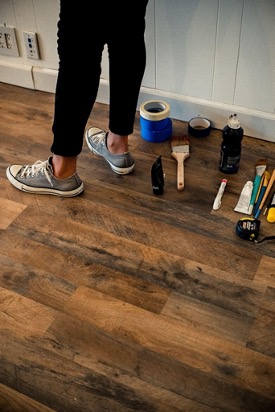
You can do many things to breathe new life into your home. Some projects you can tackle DIY, while others require the help of a reliable contractor. When reviving or refreshing your home, keep in mind that the end goal is to have a healthier space that promotes wellness for the entire family. Here are some suggestions on how to liven up your home. Value-Increasing Projects Your renovation considerations may differ if you plan to sell or rent out versus staying in your home. Renters may expect different amenities than homeowners. For example, updated lighting, fresh paint, and technology, among other things, can attract tenants to your rental property. Kitchen and Bath Some kitchen and bathroom projects add value because people spend a lot of time in these spaces, and everyone appreciates an up-to-date kitchen and a spa-like bath experience. However, refreshing these areas doesn’t have to cost a fortune. Simple changes, such as adding backsplash tile in your kitchen or updating lighting, add value and transform the space. And if you want to add some color, there are plenty of peel & stick wallpaper options to choose from. Outdoors and Curb Appeal Many homeowners and tenants enjoy entertaining. Outdoor improvements, such as fire pits, decks, and fences, increase home value. A beautifully landscaped lawn provides curb appeal and reveals that you take pride in your property. You may want to consider new landscape design, but before contacting a contractor to obtain a quote, read reviews online to ensure your contractor is qualified. In addition, you may find some who are offering money-saving promotions. Basement Consider unused space when thinking about a renovation project because usable square footage adds value to your home. Value-adding remodeling projects include adding a home gym or yoga space in your basement. Alternatively, families and those who entertain may appreciate an entertainment center. After a stressful day, a soothing meditation room may be just what you or other family members need to help you unwind. Organizational Ideas A chaotic environment is stress-inducing. Living in organized spaces helps relieve anxiety and promotes wellness. You can complete many home organization projects inexpensively with minimal supplies and a well-executed plan. Even children can appreciate organized areas where they can find their favorite toys easily. Picking up toys and putting them in their proper places can become a bonding experience for you and your child. Tips for Your Renovation Several of these changes can be DIY projects, but if your project involves plumbing or electricity, it’s best to hire a qualified contractor due to safety issues. Also, contractors normally provide a warranty for their work and relieve the stress of doing the work yourself. The cost of renovating your basement or other areas depends on your location, the materials you choose, and the complexity of your project. If you choose to add carpeting in your basement, remember to add subflooring because carpeting is prone to mold. Be sure to take before and after photos of any project and keep copies of all receipts for materials and labor. Family and Projects Revive and refresh your home by choosing projects that promote family wellness. Simple projects in which the entire family can participate, such as adding wallpaper, encourage family bonding while providing them with a healthier, more organized, and usable space. Franklin Investment Realty agents will provide the information necessary to make the home buying process as easy and efficient as possible. Our agents specialize in the Greater Philadelphia real estate market and have years of experience within the region. Call us today! – Rhonda Underhill
Should You Rent Or Buy?
Deciding to rent or buy a home is a major financial decision. It affects almost every aspect of your life. So, how do you know which option is the best one for your situation? There are advantages and disadvantages to both renting and buying. Purchasing a home involves several steps that include getting approved for a loan. You also have to come up with a down payment. Renting is easier. It is also more affordable, but do you want to forego owning property? If you are having trouble deciding, here’s what you want to consider before signing a rental or mortgage agreement. Do You Want The Same Address for Several Years? Do you want to become part of a community or have the flexibility of changing addresses every year or so? The answer to this question can help you decide if renting or buying is the right option. Most buyers plan on staying in the home for at least five years. It gives you time to settle into the neighborhood and make the house your home. You can sell a newly purchased home after a year or two, but you can end up losing money on closing and moving costs. Compare Average Home and Rental Prices It’s a good idea to compare the costs associated with renting versus buying. Initially, renting is often the more cost-effective option. You don’t have to pay closing costs, come up with an adequate down payment, and have cash set aside for home maintenance. Home repairs can also quickly add up, depending on the property’s condition. Most rental contracts only require a security deposit, along with the first and last month’s rent. Home buying is more expensive in the beginning, but over time it is more cost-effective than renting. Your mortgage payments are usually lower than monthly rent payments. You also have the option of refinancing. It does extend your mortgage terms, but you are paying a little less each month. Renters can only expect their costs to increase, sometimes by 5% or higher. Homeowners receive tax breaks not available to renters. Don’t forget about property value. Most home values increase over the years, putting extra equity in your pocket. Consider Your Current Lifestyle Homeownership doesn’t fit every lifestyle. Frequent travelers, either for work or pleasure, may want to focus on finding a rental property. Someone else handles the upkeep, maintenance, and repairs, leaving you free to see the world without worries. Anyone expecting a promotion to a position in another city may also want to hold off on buying a home. You aren’t going to have enough time to build up any equity in the property. You may also have to take a lower asking price if your move is within a few weeks or days. Renters may lose their security deposit for an early move, but it’s less of a financial hit than you get as a homeowner. Take a Look at Your Finances Before you make any decisions, take a look at your finances. Add up the costs associated with buying versus renting and see what you can comfortably afford. A common mistake homebuyers make is buying a house they can’t afford. It’s nice to have some extra space, but the problems come when you realize the mortgage payments are higher than you expected. Ideally, you want your down payment to be around 20% of the home’s selling price. You also want to have enough cash leftover for maintenance and repairs. Your finances also determine what improvements you can make on the property. For example, if the property is in an area where storms are common you may want to add a portable power generator to keep the lights on. Renters have the advantage of relying on their landlord or property manager to take care of these improvements. If you are not comfortable with these and other costs associated with owning a home, renting may be a good option for the present time. Ready to start looking for a new home, contact Franklin Investment Realty today to see how we can help make homeownership a reality. – Karl Kennedy
Want to Upgrade a Fixer-Upper?
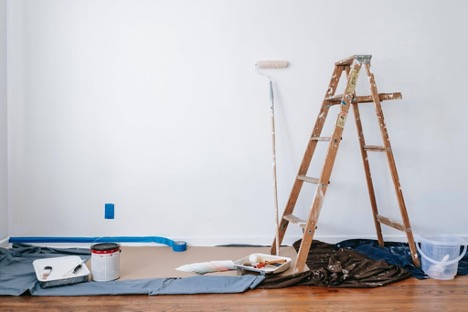
Want to Upgrade a Fixer-Upper? Know How to Proceed to Get the Most Profit Purchasing a home in the Greater Philadelphia area, renovating it, and then flipping or renting it can be a profitable investment. However, you should know a few tips, or you could find yourself losing money. Franklin Investment Realty will be there to guide you through the process and here are a few tips below. Consider a Real Estate Owned Property A real estate-owned property is one taken by a lender due to failure to pay. You can find listings for REOs in Philadelphia and the general vicinity on a real estate listing site, such as realtor.com. You can also check for listings through an auctioneer or on a bank or government site. Typically, an REO property is less expensive than a standard listing. Be cautious as you look for REO properties, though, because some may need significant repairs. Take into account the location and the nearby amenities. These play a major role as to whether the home will sell or entice renters. Additionally, get an appraisal to determine the listing price compared to the actual value. Rent or Sell Carefully weigh the pros and cons of renting or selling. Keep in mind that you’ll be responsible for the yearly taxes, even if you have periods when the home is vacant, if you rent. You’ll also need to maintain the house and make repairs as necessary. If you sell the home, you’ll only need to worry about paying taxes once. In addition, you may need to make certain repairs before closing if you sell. As a general rule, a home that you sell is held to higher standards than one you rent. Therefore, if the house needs significant repairs after the renovation, it may be in your best interest to rent the home. You should also take into consideration the housing market. If the current conditions are in the buyer’s favor, you may want to rent first and sell when it’s a seller’s market. When marketing the house, be sure to list it widely online with good photography. Use the best online image size converter to guarantee that your images look their best on each website. You can also use social media to publicize your listing. Know Your Responsibilities and the Law Know what you’re responsible for first before renting a home. Firstly, and possibly most importantly, you’ll need to comply with Pennsylvania laws. For instance, you must take care of major repairs, such as a broken toilet or heater. If you don’t keep the property up to code, a tenant may have a legal reason to withhold rent. You’ll need a written lease or rental agreement. The agreement should include information, such as the rent price and when it’s due. You may want to hire legal assistance to ensure you’re in adherence to Pennsylvania laws. Think About Hiring a Property Manager A property manager handles maintenance and repair. Hiring one may be especially important if you don’t live in the Philadelphia area since every time something needs to be repaired or maintained, you’d need to be there, possibly outside business hours. It’s also beneficial if you’re busy or unfamiliar with home repair. You can find local options online. Make sure you read reviews first as you compare. You’ll want to check for licensure and certifications. Turn That Fixer-Upper Into Profit Ensure your investment is profitable by making a sound decision regarding renting or selling. It’s also essential to understand the law and hire assistance when needed. – Rhonda Underhill
Guide to Philadelphia Investment Property

Guide to Buying Rental Property In Philadelphia Millennials, people between the ages of 23 and 38, have surpassed Baby Boomers as the nation’s largest adult generation. But they still trail the Boomers when it comes to being heads of households. But the strange thing is, millennial households dominate the home rental market. Because our largest adult generation would rather rent their home than own it, the real estate market is ripe for people looking to invest in income properties. America’s Favorite Long-Term Investment The popularity of real estate is near an all-time high. Low interest rates and the millennial generation’s desire to rent rather than own is increasing the demand for rental real estate. Is it time to get into the landlord business? Owning a piece of rental property can be a great investment when it is approached with a long-term outlook. Someone else pays down your mortgage, you keep the rent that exceeds the mortgage payment, and hopefully the home’s value increases over time. Financing Can Deliver Better Returns Some people think that if you are going to buy an income property it should be done with all cash. That way the entire rent check goes into your pocket. As an example, an investment of $100,000, the price of the home, may return $12,000 per year ($1,000 per month x 12), or 12%. However if you bought the same house using leverage, with only 20% down ($20,000), after interest charges your return on investment (ROI) could be over 25%. Where To Look: Location, Location, Location Everyone thinks they need to purchase a rental property where the monthly rents are the highest in a neighborhood where the buyer would want to live. That is not necessarily true. The people who gain the most from owning rental property are the ones that buy in areas with the greatest potential for appreciation. Remember we need to be thinking long-term. House appreciation will almost always surpass the money earned from growth in rents. This is where working with a knowledgeable realtor comes into play. They know where the desirable areas are that offer the greatest potential appreciation. Down The Road Owning a few paid off rental properties can really add to your Social Security check when you are ready to enter into retirement. You won’t have to “cut back” your lifestyle in retirement. You will be able to take more vacations, drive a nice car, and do the things that you have always wanted to do. Those things may be volunteering your time or spending more time with the grandchildren. If golf is your thing, you could visit and play some of the notable courses around the country, or even better, buy a golf simulator and play those courses on your projector without ever leaving your house. In The End You could invest in the stock market, but try going out to a company you’ve invested in and tell them you would like to tour the facility or look at the books. Fat chance of that ever happening! With an income property you are in control and you can drive by or enter it almost anytime you want. Owning income property can be an excellent investment. Approach it like a business and it can generate a substantial passive monthly income. Just realize that an income property is not an instant cash cow, it is a long-term investment. And in real estate, you make your real money when you buy, not when you sell. So spend some time with a Franklin Investment Realty agent that knows the market and can guide you to the better areas in and around Philadelphia to invest in. – Karl Kennedy
Steps for Buying Your First Investment Property

Buying your first investment property comes with great excitement. However, it can also be scary, as you are unfamiliar with the territory of owning an investment property. There are many options and different factors that can influence your decision. While it may feel overwhelming at first, it’s easy to buy your first property if you follow the right steps. The key is knowing the reason you’re investing in real estate, your goals, and the obstacles that may be in your way. To get started with your real estate investing journey, here are the must-follow steps, presented below by the real estate professionals at Franklin Investment Realty. Get Pre-Qualified If you’re in the planning stages of buying a property, you should get pre-qualified for a mortgage. While this is not an official approval, it can help you raise the chance for financing. Pre-qualification tells you the things you need to get financing. For example, if your debts are too high, you can pay them off to boost your credit profile. Pre-qualification is an important step if you don’t have enough money to acquire the property without borrowing. Typically, a pre-qualification is good for about 90 days. However, when ready to buy the property, it’s recommended as it can speed things up when applying for a mortgage. Define Your Investment Strategy It’s crucial to approach real estate with a strategy; for instance, determine if you’re buying for the long-term or on a short-term basis. If you’re buying to hold, you need to consider things like maintaining the property, managing your investment, and ensuring you get the returns you expect. If you want the best results renting the property, you must consider a good location that is in high demand. Also, you can hire a property manager to help you with all that is required to keep your investment running smoothly. Look for Suitable Property After doing all the “leg work,” you need to find a suitable property. It’s easy to get the information you need without too much effort. Browse online here to see which properties are on the market. While doing the search, you don’t need to restrict yourself to a single geographic area. You can also explore outside your state. An easier option is to hire a buyer’s agent like Matt Scannapieco to assist in the search process. Due Diligence After locating the property you want to buy, it’s important to do due diligence. Home inspections are an important part of the buying process; after all, you need to know the property’s repair exposures to ensure you’re getting a reasonable deal. Talk to a contractor to know how much it would cost to fix any damages and plan for future improvements. There are different outdoor improvements you could do, including installing a new fence. There are many local fence companies you can contact for such a project. Ask for a quote for the project and also review the company’s performance by reading reviews online (sites like Angi allow you to read reviews from previous customers). The cost depends on the size of the fence and where you want to install it. All these costs should be a part of your calculation to decide if the property will give you a good return on investment. Create a Support Team Investing in real estate requires the collaboration of different people. You need eyes all over the place to create a successful portfolio. Your support team could include: An attorney An inspector A home contractor An appraiser A loan officer A real estate agent from Franklin Investment Realty These will work together to cover all angles and ensure your investment offers the best returns. You need someone to review the legality of documents, another to calculate the property’s value, and another to check the property’s soundness. You can also enlist the help of specialty services that can help you with specific tasks related to starting your business. For example, if you’re registering as an LLC, work with a company like ZenBusiness to ensure that all of your paperwork gets filed correctly with the state. Getting your first investment property is an important financial decision. You should consider a property that will appreciate in value and also give you cash flow. This is a good way to diversify and ensure you don’t put your eggs in one basket. These guidelines should help you understand where to begin so you can lay the foundation for success. – Rhonda Underhill
2 DIY Ways to Refinish Hardwood Floors (Without Sanding)

Your property’s hardwood floors can take quite a beating. This may be due to tenant turnover (since they move furniture), usual wear and tear, or perhaps even because of pets. In any case, the once-sparkling hardwood flooring in your property may need a touch-up. In this post, we’ll be discussing 2 of the best DIY methods to refresh your flooring without having to deal with the expense and mess of sanding. Using a Chemical Abrasion Kit 1. Clear and Clean the Room Before you begin, make sure that you have removed all partial fixtures and furnishings, including shelves, curtains, and even doors that come in the way. After doing so, clean your hardwood floors with a damp cloth so that all the grime and dust are cleared up. 2. Apply the Chemical and Begin Scrubbing Get hold of the abrasive pad included in the abrasion kit and then carefully pour the chemical to a 4 x 4 section of floor. Using your abrasion pad, scrub firmly over the section and move on to the next. Make sure you prevent spills and puddles because doing so could cause them to seep into the floor. Once you’re done with the entire area, the floor shouldn’t be entirely dry. Instead, a thin film of the chemical should work perfectly. 3. Clean Again After allowing your floor to dry for 30-minutes, mix 2-tablespoons of dishwashing liquid into warm water and then mop over the floor to neutralize the chemical residue. Try to moderately dampen your mop so as to avoid forming clean-up puddles and causing water damage. 4. Touch-Up Deep Scratches Next, get hold of a cotton swab or an artist paintbrush and apply a matching stain inside deeper scratches. Feather over the strain to make sure it blends with your floor, and then dry it up with a hairdryer. 5. Coat the New Finish Before coating your floor, try to plan how you’ll apply the finish, so you don’t get backed up into a corner with nowhere to go. Start by moving along the grain of the floor and make sure not to form any puddles while doing so. Buffing and Polyurethane for Recoating 1. Rent a Buffer Head over to a home improvement store and rent a buffer. It may be a little expensive, but it’s definitely worth the cost. 2. Clean-Up Again, make sure the room is empty and your floors are free from dust or gunk. Also, while cleaning, pay attention to areas that have stripped finishes, dents or deep scratches. 3. Address the Deeper Scratches If you found deep scratches, douse these with mineral spirits (works for lightly-colored floors). Alternatively, you can use a cotton swab or paintbrush to apply a stain that matches your hardwood flooring. 4. Turn the Buffer On For this part of your DIY project, you will require some sanding screens. After your floor has been cleaned up, place a sanding screen under your rental buffer (ask for a tutorial at your home improvement store). It is also important to mention here that sanding screens typically wear out after about 10 to 15 minutes of use. This is why you should keep checking the screen for a buildup of grit, as this will scratch your floor. Now turn your buffer on and move it back and forth from wall to wall and work your way around the room so that you don’t back yourself into a corner or pass over the wood more than you have to. 5. Finish Up After thoroughly vacuuming the room for dust, use oil-based or water-based polyurethane, depending on the type of hardwood floors you’re dealing with. Next, use a high quality paintbrush to apply the finish from wall to wall before using an applicator pad attached to a broom to spread the finish in the direction of the grain. Final Words When it comes to DIY renovation of hardwood flooring, make sure that you consult the experts before going at it on your own. Try to consult a sales representative at the hardware store, a fellow property manager, or a contractor to find out what is best for your needs. In doing so, you will save a lot of time, energy and money. Good luck! – Jivko Stefanov GoodJuJu