
From Offer To Ownership: Practical Money Hacks Every Homebuyer Should Know

Buying a home is one of the largest financial decisions most people will ever make. First-time homebuyers and repeat buyers alike face the same core challenge: managing upfront costs while preparing for the ongoing expenses of ownership. Without a plan, small missteps can snowball into long-term financial strain. Quick Insights Build a complete budget that includes closing costs, moving expenses, and a repair cushion. Improve your credit score early to secure a lower mortgage rate. Compare loan options carefully to reduce lifetime interest costs. Negotiate closing costs and shop around for services. Protect your first-year cash flow by planning for maintenance and unexpected repairs. A Spending Plan Shapes Your Entire Purchase Before touring homes, create a realistic ownership budget. Include principal and interest, property taxes, homeowners insurance, utilities, routine maintenance, and savings contributions. Many buyers underestimate non-mortgage costs, which can stretch monthly finances thin. To understand how costs evolve over time, review the comparison below. Expense Category One-Time Or Upfront Costs Ongoing Costs Purchase Related Down payment, closing fees Mortgage payment Property Expenses Inspection, appraisal Taxes and insurance Move-In Costs Moving services, furnishings Utilities and HOA dues Maintenance And Repairs Initial fixes Routine upkeep and emergencies Seeing expenses divided this way makes it easier to prepare for both immediate and recurring obligations. How To Lower Your Mortgage Costs Before You Close Improving your financial profile months before applying for a loan can lead to measurable savings over the life of your mortgage. To strengthen your position with lenders, focus on the following steps. Pay down revolving credit balances to reduce your credit utilization ratio. Avoid opening new credit accounts during the mortgage process. Save consistently to increase your down payment and reduce your loan amount. Compare multiple lenders to secure competitive rates and terms. Even a slightly lower interest rate can save thousands of dollars over a 30-year term. Small percentage differences compound significantly. Protect Your Budget From Surprise Repairs The first year of homeownership often reveals issues that were not obvious during the inspection. Appliances fail, plumbing leaks, and systems age out. A sudden replacement can disrupt savings plans and create financial stress. Investing in a home warranty helps stabilize early ownership costs by covering many common system and appliance breakdowns. Instead of absorbing the full repair bill, you pay a predictable service fee, which supports smoother budgeting. Buyers exploring home warranty appliance coverage can compare plans that help offset repair or replacement expenses for major household equipment. This layer of protection can prevent large out-of-pocket expenses from derailing your financial goals. A Practical Pre-Closing Action Plan Before signing the final documents, complete these financial checkpoints. Confirm your emergency fund covers at least three to six months of total living expenses. Review your closing disclosure for unexpected fees. Lock in your interest rate if market conditions are volatile. Price out homeowners insurance policies for competitive premiums. Set up automatic transfers to a home maintenance savings account. Executing these tasks reduces last-minute surprises and keeps you focused on long-term stability. Where Buyers Often Overspend Without Realizing Many homebuyers concentrate heavily on the purchase price while overlooking secondary costs. Furniture upgrades, landscaping projects, and cosmetic renovations can quickly consume cash reserves. A disciplined approach during the first year pays dividends. Prioritize structural and safety-related upgrades before aesthetic improvements. Delay major remodeling projects until your finances stabilize and you understand the home’s true maintenance pattern. Homebuyer Cost Control FAQ Before making final decisions, buyers often need clarity on the financial mechanics of ownership. How Much Should I Save Beyond The Down Payment? In addition to your down payment, plan for 2 percent to 5 percent of the purchase price in closing costs. You should also maintain an emergency fund covering several months of total housing expenses. This cushion protects you if income changes or major repairs arise. Buyers who enter ownership with reserves tend to avoid high-interest debt later. Is It Better To Put More Money Down Or Keep Cash On Hand? A larger down payment reduces your loan amount and may lower monthly payments. However, draining your savings can create vulnerability if unexpected expenses occur. Many buyers benefit from balancing a healthy down payment with a strong emergency fund. The right choice depends on your income stability and risk tolerance. How Can I Reduce Closing Costs? You can negotiate certain fees with the seller, especially in slower markets. Comparing lenders and requesting loan estimates from multiple institutions can reveal pricing differences. Some service providers such as title companies and inspectors also allow comparison shopping. Even modest fee reductions help preserve cash at closing. What Ongoing Costs Surprise New Homeowners Most? Maintenance and repairs are commonly underestimated. Systems such as HVAC units, water heaters, and appliances eventually require service or replacement. Property taxes and insurance premiums may also increase over time. Planning for these fluctuations prevents financial strain. When Should I Start Saving For Repairs? Begin saving as soon as you move in. Many experts recommend setting aside 1 percent of the home’s value annually for maintenance. Automating transfers into a dedicated account builds this reserve steadily. Having funds ready allows you to address issues promptly rather than postponing necessary work. Does A Home Warranty Replace An Emergency Fund? A home warranty can reduce repair costs, but it does not eliminate every expense. Service fees, uncovered items, and deductibles still require available cash. An emergency fund remains essential for broader financial protection. The two strategies work best together. Bringing It All Together Homeownership rewards preparation. When you approach the purchase with a detailed budget, strategic borrowing decisions, and protection against surprise repairs, you create room to enjoy your investment rather than worry about it. Thoughtful planning before and after closing keeps your finances steady. With discipline and awareness, buying a home can strengthen your long-term financial foundation. – Jason Kenner
A Complete Guide for First-Time Homebuyers
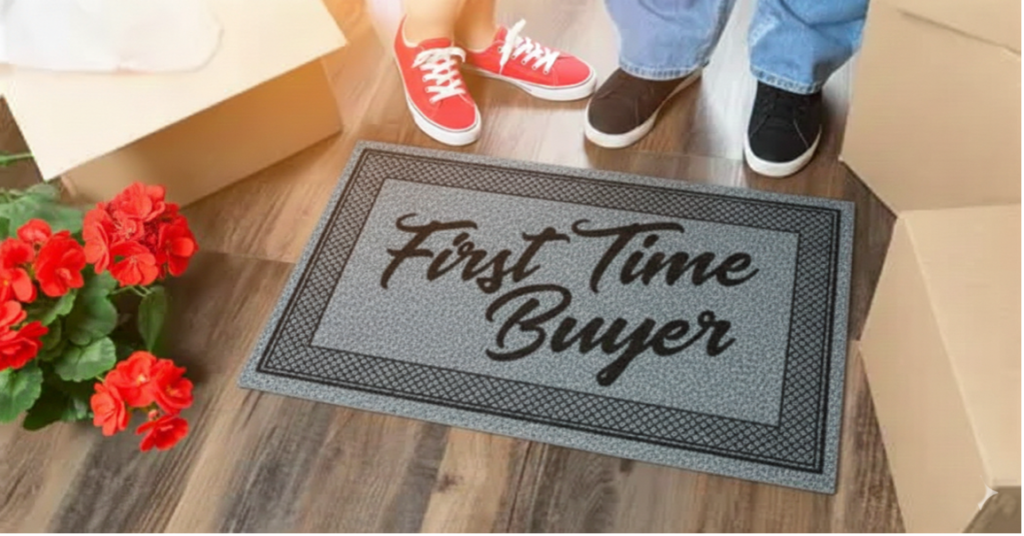
Buying your first home is exciting but it can also feel overwhelming! Between financing, home searches, inspections, and closing paperwork, there’s a lot to navigate. The good news? With the right preparation and guidance from a professional, the process can be smooth and rewarding! If you’re a first-time home buyer, you will want to read this. This guide will walk you through step-by-step what to expect and how to get started with confidence. Step 1: Understand What You Can Afford Before you begin scrolling through listings on Zillow or Realtor.com late at night, picturing yourself in your dream home pause and determine your budget first. Your affordability depends on: Income Monthly debts Credit score Down payment amount Current interest rates Most lenders recommend keeping your monthly housing payment below 28–30% of your gross monthly income. Pro Tip: Use a mortgage calculator to estimate payments but talk to your lender for accurate numbers specific to your market. Step 2: Get Pre-Approved for a Mortgage Pre-approval is one of the most important steps in the buying process. A pre-approval: Shows sellers you’re serious Gives you a clear price range when searching for homes Strengthens your offer in competitive markets In a competitive market, it’s important to understand that many sellers won’t even consider an offer without a pre-approval letter. Step 3: Explore First-Time Buyer Programs Did you know there are special programs available to first-time homebuyers? You may qualify for: Low down payment loans (FHA, VA, USDA) Down payment assistance programs First-time home buyer grants State or local housing incentives Always check with your state/city, as there may be local programs specifically designed to help new buyers like you enter the market. Step 4: Start Your Home Search Now comes the fun part, house hunting! When searching for homes in your city, consider: Neighborhood and commute School districts (even if you don’t have children, school district impacts resale value) Property taxes HOA fees Future development in the area Make a list of: Must-haves (location, number of bedrooms/bathrooms, budget cap) Nice-to-haves (pool, large yard, updated kitchen) Try to stay flexible and realistic. No home is 100% perfect but the right one should check off most of your important boxes. Step 5: Make a Competitive Offer Once you find the right home, your agent will help you submit an offer. Buckle up! Your offer will include: Purchase price Earnest money deposit Contingencies (inspection, appraisal, financing) Estimated closing date In a competitive market, you may need a strong offer strategy to stand out. Step 6: Inspection and Appraisal After your offer is accepted, the home enters escrow. Home Inspection A professional inspector checks the property for structural, mechanical, and safety issues. If concerns arise, you may negotiate repairs or credits. Appraisal Your lender orders an appraisal to confirm the home’s value matches the purchase price. If the appraisal comes in low, your agent will guide you through options such as renegotiation or adjusting your financing. Step 7: Closing on Your First Home Closing typically takes 30–45 days from accepted offer to final signatures. Congratulations, you did it! At closing, you’ll: Sign loan documents Pay closing costs Receive the keys Closing costs usually range from 2–5% of the purchase price and may include lender fees, title insurance, and escrow fees. Common First-Time Buyer Mistakes to Avoid Even smart buyers can make avoidable mistakes but don’t be caught in one! Here are a few to watch for: Skipping pre-approvalThis can delay your purchase or weaken your offer. Draining your savingsLeave room for moving costs, furniture, and emergency repairs. Making large purchases before closingAvoid new credit cards, car loans, or big purchases, they can affect your loan approval. Ignoring resale valueThink long-term. Even your first home is also an investment. Is Now a Good Time to Buy? Ah… the question we’re asked more times than we can count. While market conditions may shift, the “right time” often depends more on your financial readiness than timing the market perfectly. If you: Have stable income Plan to stay in the home for several years Are financially prepared It may be the right time for you! A local real estate professional like me can help you understand inventory levels, pricing trends, and negotiation strategies specific to your area. Ready to Buy Your First Home? Buying your first home doesn’t have to be stressful. With the right guidance and a clear plan, you can move forward confidently. If you’re thinking about purchasing your first home, let’s talk. I’ll walk you through every step; from pre-approval to closing day and make sure you feel informed and empowered throughout the process. Contact us today to schedule a complimentary first-time buyer consultation. When you’re ready to get started with the process of selling or buying, get in touch with the team at Franklin Investment Realty! – Brianna Roth
Refresh and Resell: Practical Ways to Make Your Older Home Shine for Modern Buyers
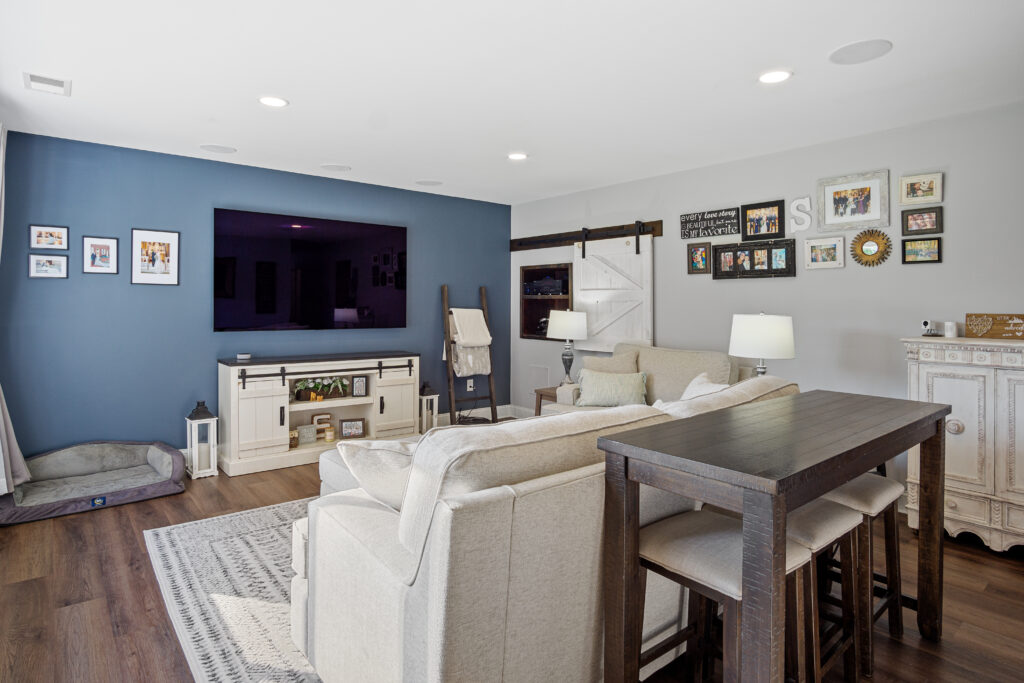
Before After Selling an older home doesn’t mean settling for a dated look. With thoughtful updates and a few strategic improvements, you can create a modern, inviting atmosphere that connects with today’s buyers while celebrating your home’s character. Key Takeaways Before You Start ● Update key rooms like kitchens and bathrooms for maximum impact. ● Refresh curb appeal with clean lines and natural tones. ● Upgrade lighting, fixtures, and systems for a modern touch. ● Focus on efficiency; smart thermostats and insulation win big. ● Present the home as clean, bright, and easy to personalize. Reimagining First Impressions Curb appeal matters more than ever. Fresh exterior paint, neat landscaping, and modern house numbers can dramatically change how buyers feel before they even step inside. Simplify your home’s exterior with less ornate trim, more subtle contrasts, and well-placed lighting. These quick changes make a lasting impression without breaking the budget. The Hidden Value in Efficiency Many older homes lose value not because of aesthetics but because of energy inefficiency. Buyers today are savvy, they ask about heating costs, insulation, and airflow. Upgrading these unseen systems quietly boosts value and comfort while showing you’ve cared for the home. Smart Upgrades to Improve Efficiency Here are simple yet effective improvements that modern buyers appreciate: ● Replace traditional bulbs with LEDs throughout the home. ● Add or improve attic and wall insulation to stabilize temperature. ● Install programmable thermostats for energy savings. ● Seal around windows and doors to eliminate drafts. ● Replace older appliances with high-efficiency models. These subtle shifts make your home feel modern even before buyers notice the design details. Update with Quality Plumbing Features Outdated plumbing can quietly turn off potential buyers—even when the rest of the home shines. Swapping in new fixtures isn’t just about aesthetics; it’s about showing your home functions well and won’t come with hidden repair surprises. Whether you’re updating a faucet or rethinking a full bathroom setup, today’s buyers want reassurance that the water runs clean, the pressure is reliable, and the systems behind the walls are sound. If you’re ready to start, check out the available plumbing supply options that suit a range of budgets and home styles. A few smart upgrades can signal to buyers that your home isn’t just charming—it’s dependable. Declutter, Refresh, and Rebalance When preparing an older home for showings, the goal is simplicity with warmth. Remove clutter, but leave enough personality for buyers to imagine themselves there. Balance nostalgia with modern minimalism; keep meaningful elements, but present them cleanly. Home Prep Checklist for Interiors Before open houses or photography, walk through with this quick guide: Remove dark or heavy drapes to let in natural light. Repaint walls in neutral, warm tones like white, beige, or greige. Replace worn carpets with lighter rugs or polished flooring. Simplify wall art to highlight space and light. Use plants or subtle décor to add freshness without clutter. These easy steps make even an older layout feel open, bright, and inviting. Small Details That Make a Big Difference A few targeted updates can transform the feel of your entire home. Replacing outdated cabinet hardware, installing modern light fixtures, or refinishing original hardwood floors instantly boosts perceived value. Upgrade Type Buyer Perception Boost Typical ROI New kitchen hardware “Feels fresh and move-in ready” 70–80% Refinished hardwood floors “Premium, well-cared-for space” 90% Fresh exterior paint “Neat and well-maintained” 60–70% Energy-efficient windows “Smart and sustainable” 75% Updated lighting “Bright and contemporary” 60% FAQ Here are a few frequent questions homeowners ask before putting their property on the market. Should I renovate completely before selling?Not necessarily. Target visible upgrades with high visual and emotional impact, especially kitchens, baths, and lighting. Are original features still valuable?Absolutely. Restored woodwork or vintage tile adds character that buyers can’t find in new builds. Preserve, don’t replace, when possible. Do small upgrades really influence offers?Yes. Even minor cosmetic updates signal to buyers that the home is well cared for and ready to live in. Wrapping It All Up Modern buyers appreciate homes that blend old-world character with everyday comfort. With targeted updates, efficient systems, and thoughtful presentation, you can make your older home feel refreshed without losing its charm. By focusing on modern efficiency and timeless details, your property won’t just attract interest, it will stand out as a move-in-ready gem that bridges past and present beautifully. When you’re ready to get started with the process of selling or buying, get in touch with the team at Franklin Investment Realty! – Shirley Martin
How to Refresh and Enhance an Investment Property for Greater Appeal and Value

Owning an investment property isn’t just about holding real estate; it’s about continuously improving its appeal to attract quality tenants, reduce vacancies, and boost long-term value. Whether you’re preparing for resale or optimizing for rental returns, smart updates can make a measurable difference. Quick Takeaways ● Focus on improvements that balance cost with return—small aesthetic upgrades can yield big impacts. ● Curb appeal sets the first impression; interiors seal the deal. ● Energy efficiency upgrades appeal to modern renters and buyers. ● Financing upgrades with rental-based loans can accelerate ROI. ● Regular maintenance and design refreshes preserve both property value and brand. Rethink the Curb Appeal The exterior of your property shapes perceptions instantly. A tired façade or unkempt landscaping can reduce value before potential tenants even step inside. Simple improvements can dramatically change that narrative. Key Exterior Enhancements ● Repaint or pressure wash the façade for a fresh, clean look. ● Replace outdated exterior lighting with energy-efficient fixtures. ● Install modern house numbers and a new mailbox. ● Refresh landscaping; consider native plants and defined pathways. ● Repair fencing and entry gates to reinforce security and style. These updates not only improve aesthetics but also signal proper upkeep—something both appraisers and renters notice. Modernize the Interior Without Overspending Inside, focus on high-impact, budget-friendly changes. You don’t have to gut the kitchen to modernize it. Small updates in key areas can transform the feel of a space. Before diving in, consider this rule of thumb: every dollar should either increase rentability or long-term property valuation. Upgrade Type Typical Cost Range Potential ROI Tenant Appeal Paint & Trim Refresh $1–$3 per sq. ft. 80–100% Broad New Flooring (LVP) $2–$5 per sq. ft. 70–90% High Kitchen Hardware/Fixtures $100–$300 80% High Bathroom Vanity Replacement $500–$1,500 75% Medium Energy-Efficient Appliances $1,000–$2,500 60–85% Very High Financing Upgrades Strategically Smart investors know that the best improvements often pay for themselves—but financing those upgrades efficiently is key. One powerful option is a Debt Service Coverage Ratio (DSCR) loan, which lets you qualify for property improvements based on your rental income, not your personal income. According to this overview of DSCR loan requirements, lenders calculate a DSCR by dividing monthly rental income by total monthly property expenses (mortgage, taxes, insurance). A ratio of 1.00 or higher means the property generates enough to cover its costs, making it easier to secure financing for: ● Cosmetic upgrades like new flooring or paint ● Durability enhancements such as roofing or insulation ● Tenant-attracting improvements like energy-efficient systems or updated kitchens This financing flexibility empowers investors to make timely, ROI-positive updates without straining personal cash flow. Improve Functionality and Efficiency Tenants and buyers are drawn to comfort, convenience, and lower operating costs. Functional improvements pay off long after the upgrade. How to Make It Work for You ● Upgrade insulation or add smart thermostats to cut energy costs. ● Install modern LED lighting with motion sensors in shared areas. ● Replace old plumbing fixtures to prevent leaks and water waste. ● Ensure ample storage; built-ins and closet systems always impress. ● Consider layout adjustments to open space or improve natural light. These upgrades not only enhance livability but often qualify for tax incentives or green certifications, improving resale appeal. How-to Checklist: Refreshing for Maximum Value Use this quick guide to ensure each improvement serves a strategic purpose. ● Conduct a professional inspection to identify structural or mechanical priorities. ● Define your budget and expected return on each upgrade. ● Prioritize curb appeal and high-traffic interior areas first. ● Choose timeless finishes and neutral colors for broader market appeal. ● Incorporate energy-efficient or low-maintenance materials. ● Document all improvements for appraisal and future resale. Following this checklist ensures every upgrade contributes to either immediate rent growth or long-term equity. FAQs: Real-World Investor Concerns Investors often face similar questions when planning a property refresh. Here’s what you need to know. How often should I renovate a rental property?Most investors refresh interiors every 5–7 years, aligning with major tenant turnovers or market shifts. Frequent minor updates—like new paint or fixtures—can extend the time between full remodels. What renovations add the most rental value?Kitchen and bathroom upgrades consistently lead ROI charts. However, adding in-unit laundry, durable flooring, and improved lighting can also justify higher rents. Is it worth upgrading before refinancing?Yes. Even modest improvements can increase appraised value, helping you qualify for better loan terms or higher equity withdrawal through refinancing. Should I DIY or hire professionals?Cosmetic upgrades like painting or landscaping can be DIY-friendly, but electrical, plumbing, or roofing work should always be handled by licensed pros to maintain compliance and safety. How do I know if an upgrade is overcapitalizing?Compare your property’s post-renovation value with similar local listings. If your upgrades push total investment far above comparable values, scale back or redirect funds toward universal improvements. Do sustainability upgrades really matter to renters?Absolutely. Eco-conscious tenants often prioritize energy efficiency, and features like smart thermostats and LED lighting can reduce utility costs—an attractive perk that keeps properties competitive. The Bottom Line Refreshing an investment property doesn’t require a full-scale renovation—just intentional, ROI-driven updates. Focus on visibility, functionality, and sustainability. Whether financed through traditional means or a DSCR loan, the goal remains the same: to create a property that feels modern, efficient, and undeniably valuable for tenants, buyers, and your long-term portfolio. When you’re ready to get started with your first investment property, get in touch with the team at Franklin Investment Realty! – Jason Kenner
How Homeowners with Low-Interest Mortgages Can Fight Against An Uncertain Future
If you were lucky enough to secure a mortgage when interest rates were at rock-bottom levels, you may have felt like you won the financial lottery. A 30-year fixed loan at 3% or less meant affordable monthly payments, long-term stability, and the flexibility to build wealth through homeownership. But now, as mortgage rates have more than doubled, that once-celebrated deal has turned into a financial anchor. Fewer homes are being listed, buyers are struggling with affordability, and the real estate landscape has fundamentally shifted. But while the challenges are real, so are the opportunities. If you feel financially trapped in your home, there are ways to navigate these market conditions—without making costly mistakes. Why Higher Borrowing Costs Have Frozen the Market At the heart of the issue is the “lock-in effect.” When homeowners hold mortgages with rates far below current market levels, the financial incentive to sell and buy again disappears. Imagine trading a 3% mortgage for one at 7%—your monthly payment could skyrocket, even if you’re buying a similar home. This has led to a historic drop in housing inventory, making it harder for buyers to find properties and reducing overall sales activity. Many homeowners who would have normally moved by now—whether upgrading, downsizing, or relocating—are simply staying put. Tapping Home Equity Without Selling If moving isn’t an option but you need cash for renovations, debt consolidation, or other financial needs, your home’s equity can be a powerful tool. Home equity loans and home equity lines of credit (HELOCs) allow you to borrow against the value of your home, often at lower interest rates than personal loans or credit cards. While borrowing costs have risen, they are still far lower than what you’d face with a new mortgage. If you’re looking to make your current home work for your evolving needs, using home equity to fund a renovation or expansion may be a smart alternative to selling. Turning Your Home Into an Investment Property For those who want to move but can’t stomach today’s high mortgage rates, converting your current home into a rental property might be worth considering. With low supply pushing up rents in many markets, you could generate passive income while securing a new home under different financial terms. This strategy works best if your low mortgage rate allows you to cover your loan payments with rental income, or if you’re in a high-demand rental market. However, being a landlord comes with responsibilities, so it’s important to factor in management costs, taxes, and potential vacancies before making the leap. Creative Financing: Alternative Ways to Buy Your Next Home If selling and buying a new home is unavoidable, consider alternative financing options to minimize the sting of higher interest rates. Adjustable-rate mortgages (ARMs), which offer lower initial rates that adjust after a set period, could provide short-term relief—especially if you expect rates to decline in the coming years. Some lenders and homebuilders are also offering rate buydowns, where they reduce the interest rate on your loan for the first few years to help with affordability. While these options require careful planning, they can be effective for buyers who anticipate future financial flexibility. Waiting Out the Market: How Long Until Conditions Improve? For homeowners willing to be patient, market conditions may eventually shift in their favor. If inflation cools and the Federal Reserve begins to ease interest rates, mortgage rates could decline in the coming years, making moving more financially viable. Additionally, a slowing housing market may lead to price adjustments, potentially creating better opportunities for buyers down the line. In the meantime, improving your financial position—paying down debt, boosting your savings, and strengthening your credit score—can put you in the best possible position for when the market becomes more favorable. Earn Some Extra Cash With rising costs putting pressure on household budgets, starting a small business can be a smart way to generate additional income and build long-term financial security. Whether it’s a side hustle or a full-time venture, launching a business requires careful planning—developing a solid idea, researching your market, and handling the legal essentials. One of the best steps you can take is forming a Limited Liability Company (LLC), which protects your personal assets if your business runs into legal or financial trouble. While hiring a lawyer to handle the paperwork can be expensive, you can register your Pennsylvania LLC through a highly rated formation service to streamline the process at a fraction of the cost. By keeping startup expenses low and structuring your business properly, you set yourself up for success without unnecessary financial strain. Being locked into a low mortgage rate in a high-rate environment can feel frustrating, but it’s also a reminder of the financial advantage you hold.. Until market conditions shift, the best approach is to stay informed, plan strategically, and make the most of the home you’re in. When you’re ready to get started with the process of selling or buying, get in touch with the team at Franklin Investment Realty! – Shirley Martin
Selling an Empty House? Here’s How to Get It Sold Without Losing Your Mind
When you’ve already moved out but the house still hasn’t sold, it can feel like you’re dragging an anchor behind you. Every day it sits, it costs you. You’re not there to manage it, and yet it still manages to consume time, energy, and money. The good news? You’re not powerless. There are very real, very tactical ways to keep momentum, protect your margins, and attract serious buyers — even from a distance. Let’s break it down by what really matters: visibility, cost containment, and fast-close readiness. Because in this kind of situation, strategy isn’t optional — it’s oxygen. Price It Like You Mean Business One of the biggest mistakes sellers make after moving out is trying to “hold the line” on price without accounting for what a vacant house signals to buyers. Smart pricing is how you control the tempo from the start, especially once you understand how vacant homes underperform trends. Here’s the brutal truth: empty homes almost always sell for less. The average discount? Roughly $11,000. And they sit longer, too — increasing your holding costs with every passing week. Knowing this, pricing becomes a weapon, not a wound. Study your local comps, yes. But then cut just slightly beneath — and position it as a buyer win, not a seller fire sale. Offer Buyers One Less Thing to Worry About When you’re not around to reassure nervous buyers, your listing has to do that for you. One subtle but strategic move: offer a home warranty. Not to brag, not to upsell — but to reduce buyer flinch. A home warranty signals you’re confident in your home’s condition and willing to help them navigate post-close surprises; this is a good resource when you’re ready to consider it. Especially in a market where “as-is” can trigger fear, this added layer builds trust. It’s a smart move if you’ve already moved, too — because coverage for unexpected system breakdowns helps you close faster without getting dragged back into repair negotiations from a different ZIP code. Make Distance Feel Close You’re not there. That doesn’t mean you’re absent. The moment a buyer steps into your listing, they should feel like someone’s already thought five steps ahead. This is where technology and local vendors do the heavy lifting. Schedule a weekly walkthrough with a trusted local agent or property manager. Install remote lock systems for easy showing coordination. Layer on digital touchpoints: 3D walkthroughs, video tours, live Q&As. That hybrid approach — remote presence + on-site touch — creates confidence. Stage Like Someone Still Lives There Empty rooms echo. And buyers don’t visualize well — they project fears into blank space. You want them projecting aspirations instead. That’s where virtual staging or minimalist in‑person staging becomes a small investment with big payoff. But don’t default to magazine-perfect setups. Think “aspirational enough to inspire, neutral enough not to distract.” Even on a shoestring, there are budget-friendly staging hacks that make cold rooms feel livable. Pay special attention to lighting, focal points, and space cues. Because you’re not just filling space — you’re filling doubt. Cut Holding Costs Like It’s Your Job (Because It Is) The longer your home sits, the more it bleeds you: taxes, insurance, utilities, lawn care, maintenance — all without producing value. Attack those costs before they compound. Downshift utility plans to “vacant-safe” modes. Cancel anything that’s not mandatory for showings or safety. Rent out appliances or furniture if they’re sitting idle. And if the home is paid off? Look into short-term insurance tweaks that reflect its vacant status. All of this adds up — because the hidden expenses of vacant homes don’t go away just because you’re not living there. Don’t Play Fast and Loose With “As-Is” “As-is” sounds convenient — until it scares buyers away or drags you into disclosure gray zones. If your house has quirks, defects, or deferred maintenance, deal with them directly or price accordingly. A better approach than throwing “as-is” into your listing? Use your agent to narrate around it. They can help frame the trade-off: lower price, flexible closing, peace of mind. But even then, be careful. Vacant homes already raise flags. Stack “as-is” on top, and you could amplify buyer mistrust. If you do go that route, understand the risks of as-is vacant listings before you invite legal headaches you’ll be forced to handle from afar. Declutter Even the Cleanest House Here’s the secret no one tells you: “empty” doesn’t mean decluttered. Closets still hold energy. Cabinets, crawl spaces, garages — they tell stories. And sometimes, those stories turn buyers off. Make sure everything that’s left behind is intentional, minimal, and clean. A few brooms in a corner feel like neglect. A single tool neatly placed? Feels like maintenance-ready. Decluttering isn’t just visual — it’s psychological. You want buyers to feel clear-headed, not like they’re entering a half-done goodbye. Even the pros will tell you: clutter ruins first impressions. Don’t leave ghosts in the closets. Selling a house after you’ve already left it behind doesn’t mean losing control. But it does mean getting surgical with your strategy. Every day you delay? Money. Every doubt a buyer has? Opportunity lost. So tighten your systems, front-load your buyer trust moves, and treat each week like a sprint toward final signature. Vacant homes don’t have to feel abandoned. They can feel like clean slates. Explore the exceptional real estate opportunities with Franklin Investment Realty and let our 30 years of expertise guide you to your dream home or investment property in the Greater Philadelphia area. – Jason Kenner
How to Find the Perfect Home for Your Golden Years: What to Look For
As we age, our wants and needs change. This is especially true when it comes to finding the perfect home in Philadelphia. It can be difficult to find a house that meets all of your needs, but with a few key features in mind, you can make sure you get the home of your dreams. From Franklin Investment Realty, here are a few things aging homebuyers should look for when searching for the best fit. Investigate the Local Housing Market Before buying a new home, Realty Biz News notes that it is important to research the area’s housing market. This helps you understand the range of prices and other factors so that you can find a house in Philadelphia that fits your needs and budget. Additionally, it allows you to narrow down your search quickly and efficiently so that you can make an informed decision about which house to buy. Single-Story House A single-level home is an ideal choice for seniors due to the lack of stairs which could be a hazard, as well as its easy access and mobility. No need to worry about navigating steps or maneuvering tight corners with furniture. With a single-level home, aging homeowners can enjoy the comforts of their own space in safety and ease. Broad Halls and Doors Wide doors and halls are important features to look out for in an aging homebuyer’s dream house. This allows more space when moving furniture or larger items into the house without having to worry about them getting stuck in tight spaces or doorways. Plus, as Mobility Medical Supply points out, wider doorways give more room when accommodating wheelchairs or walkers if needed. Turning Knobs and Lever Handles Lever handles and knobs are a great option for those concerned with ease of use. They are much easier to grip than traditional round knobs and require less strength in the hand – making them ideal for those whose hands may weaken over time due to age or arthritis. Lever handles also offer better accessibility as they are easier to open and close. Aspects of Automation Automation features like automatic lighting and voice-controlled appliances make life easier as we age by reducing the manual labor needed to carry out everyday tasks. It also provides an added layer of safety by cutting down on trips up and down stairs or outside into dark areas. Additionally, automation features provide convenience since they are easy to use and operate with minimal effort. Non-Slip Surfaces Non-slip flooring is an essential component of any aging homeowner’s dream house. Slippery surfaces can lead to falls with the potential for serious injury or even death, particularly depending on age and health status. Non-slip materials such as vinyl, laminate, cork, and rubber provide extra traction and reduce the risk of slips and falls in one’s home environment. Skilled Care Facility Options It’s also important to look into the area’s skilled nursing facilities should you need 24/7 care. In that case, you’ll want to choose a new living arrangement near potential communities, or even moving into a facility that meets your needs. You’ll find nearly 50 such facilities in Philadelphia. Finding the perfect Philadelphia home isn’t easy, but with a little research and planning it doesn’t have to be overwhelming. Research local housing markets so you know what kind of prices and amenities are available, and opt for single-level homes. Also consider your assisted living options should there be a need now or in the future. These tips will help you find and adapt a home to suit your needs as you age. – Shirley Martin
What Is My Home Worth?
Check out this tool to understand the current value of your home. As well as tracking your equity as your time as a homeowner grows. Thinking about selling or refinancing? This will allow you to see current interest rates and understand current market activity. Interested in buying a shore house, mountain house, second home, or investment property? Check your equity position to see what financing tools you can take advantage of. – Matt Scannapieco
Philadelphia Neighborhoods You Want To Live In

The city of Brotherly Love has a rich and vibrant history. The Liberty Bell is here, along with the steps Sylvester Stallone made famous in Rocky. Philadelphia is a thriving city with affordable living costs, and this includes home prices. When you’re ready to start house hunting, one of the first steps is to pick a neighborhood. Philadelphia’s Best Neighborhoods for Homebuyers From Mt Airy to Wissahickon Walk and Brewerytown, homebuyers will find the perfect neighborhood that fits their lifestyle. Mt Airy Situated between Chestnut Hill and Germantown, Mt Airy is part of a trio of neighborhoods on Philly’s northwest side. It’s a diverse, multi-culture neighborhood that’s drawing urbanites in. Mt Airy is an established neighborhood that gets its name from the original summer resort built by William Allen after the American Revolution. The west side boasts spacious million-dollar homes on tree-lined streets, some complete with a dedicated entertainment room perfect for installing you’re A/V receiver and other audio components. Homes on the east side are more affordably priced, and you still get the same quiet, family-friendly vibe in the neighborhood. With shops, restaurants, and easy access to SEPTA bus and rail routes, you have everything you need within walking distance of your new home. Wissahickon Walk Bordering Wissahickon Valley Park and the Schuykill River, Wissahickon Walk is a neighborhood for nature lovers. It also boasts a low crime rate and plenty of activities for residents. Along with the 20-mile long Wissahickon Walking Trail, the neighborhood has a thriving nightlife with restaurants, bars, and clubs spotlighting local musicians on the weekends. Home styles vary from mid-century to more modern. It’s a well-established community that is continuing to grow. Most homes on the market are mid-sized and competitively priced. Along with free-standing homes, you can also find condominiums and townhomes. If you’re interested in a condo, Wissahickon Walk Condominium Complex is close to schools, public transportation, and everything else the neighborhood has to offer. Brewerytown Brewerytown is a northern Philadelphia neighborhood named for the nine breweries that called the area home. The breweries closed during the Prohibition Era, but the neighborhood is experiencing a revitalization. Beer gardens and craft breweries are moving back in, along with restaurants, shops, and new residents. It is an upcoming neighborhood, but home prices are still affordable. However, prices are increasing as the revitalization continues. Row homes line the streets, along with warehouses converted into lofts and luxury apartments. You can also find bargain prices on fixer-uppers. Along with the breweries and restaurants, the neighborhood is a short walk away from Fairmount Park. It’s the largest park in Philadelphia, and it’s also not far from the Philadelphia Zoo. Let Franklin Investment Realty Help You Located in Philadelphia, Franklin Investment Realty is familiar with every neighborhood in the city of Brotherly Love. Their expertise covers all types of dwellings, including condos and luxury homes. Whether you want a quiet, family-friendly neighborhood to call home or one with a vibrant nightlife, Matt Scannapieco and his team at Franklin Investment Realty will help you find the perfect home in a neighborhood you’ll love. – Karl Kennedy
Enlist the Help of These 14 Professionals to Build or Renovate Your Home
We often dream of an extensive renovation project for our home or think of building a house from the ground up but seldom act upon it. Most of us drop back to reality, thinking, “I wouldn’t even know where to start!” So, here’s the solution to your problem. If you would like to build or renovate your home, you will need to enlist the help of several professionals from the construction world. We have put together a comprehensive list of professionals involved in building a house for a hassle-free successful construction project from start to finish. Fourteen important partners work with you to build or renovate your home. Let’s take a look: Author Bio: Rahul Agarwal is the Co-founder & Chief Business Officer at Styldod, where he has taught a computer to do interior design! Styldod provides the most hassle-free & inexpensive virtual staging solutions for real estate agents so they can sell their listings faster, and for higher prices. Rahul was also a co-founder of Mebelkart. He’s your everyday IIT Kanpur nerd who pushes the boundaries with his innovative entrepreneurial stints and is also a sound startup investor & advisor.