9 Ways to Properly Dispose of Demolition Debris
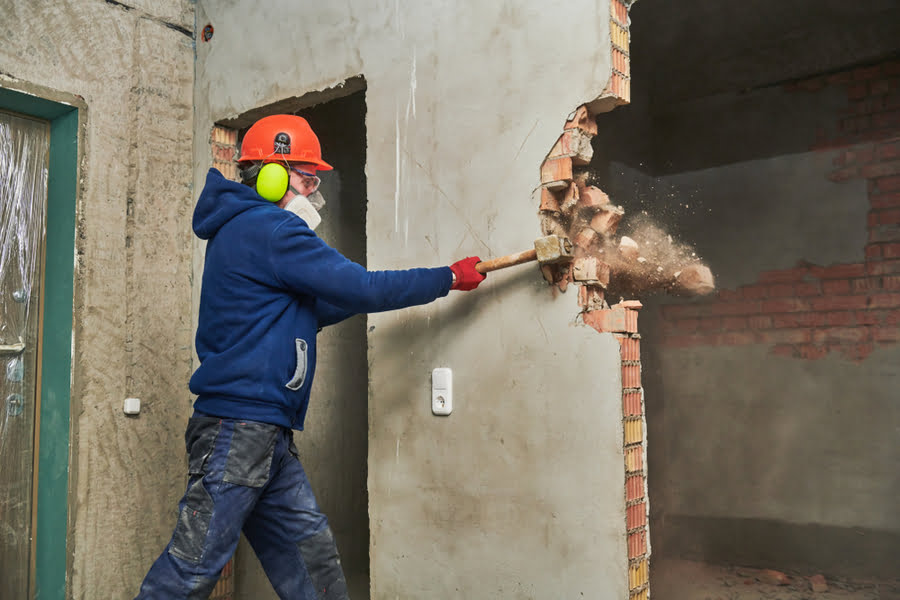
Construction and demolition (C&D) waste is produced during the construction, renovation, repair and demolition of homes, significant constructions, roads, bridges, locks and dams. Construction and demolition (C&D) waste are unlike everyday waste. You can’t just throw it in the trash, and your local dump truck can take it away. If you have significant debris, especially demolition or construction waste, you will need to organize your disposal differently. Credit: KnockItDown.com Some of the waste generated during the construction process can be eliminated. For example, a durable modular metal system for concrete construction may be picked to be effortlessly disassembled and reused in future projects, thereby avoiding wood waste in plywood and trimmed wood formwork. Disposal of waste can help reduce impacts on human health and the environment. Some of the most common types of construction and demolition debris include: Concrete Bricks Drywall Plaster Metal Roofing materials Glass Wood Wiring Plumbing fixtures Insulation (non-asbestos) Rock Soil How to Dispose of Your junk? Disposal methods based on your type of construction waste: Almost all types of construction debris can be recycled, including tiles, lumber, concrete, metals, plastics, rock, drywall, etc. If you wish to dispose of the debris yourself, you should check with your local facility to see if they can accept it. Also, keep in mind that the transport itself can be a challenge, especially if you have a lot of debris to carry. Construction materials classified as hazardous waste must be handled and disposed of following state or federal regulations. When constructing a building, take the time to evaluate the materials you need as accurately as possible and keep the project organized. R&D waste generated during construction may include hazardous, non-hazardous, biodegradable or non-biodegradable debris or waste. Construction and demolition waste collected in trash chutes and containers are transported to diversion facilities via truck. Waste is classification as non-hazardous and hazardous waste. The safe and best disposal methods of construction waste are: Donate: Some construction debris or useless materials can help some local or needy people. Sometimes decorative items or old devices find a new home through donations. Reduce: Choose What You Buy Carefully. Careful planning ensures that you don’t buy unnecessary and unsuitable materials that end up in landfills. For example, you can avoid unnecessary waste from pieces like pipes and wood simply by purchasing a more suitable size and length in advance. Reuse: Think about what leftover materials you could convert for other projects, such as bricks, windows, tiles, etc. It is also possible to transfer materials or exchange them for another construction site and participate in a recall program. Some of these schemes allow you to return the packaging to its original manufacturer. Recycle: Most of your waste is likely to be recycled, including wood, metal, plastic, paper, glass, concrete, drywall, asphalt, and more. Therefore, you need to separate recyclable waste so that collectors can dispose of and process it properly. Often, your materials manufacturer and your disposal company will advise what can and cannot be recycled and how to separate and store it. Rent a Dumpster: Dumpsters are available in various sizes, from 3 cubic meter bins to 40 cubic meter construction dumpsters and can be rented easily. It is the ideal solution for building, demolishing, cleaning houses, roofs, removing yard waste and recycling in bulk. Disposing of hazardous construction waste: Hazardous waste must be treated and disposed of according to the state or country regulations. Few commonly used disposal methods for dangerous construction waste are explained below: Disposal of Mercury-Containing C&D Waste: The items that contain mercury must be isolated and taken to a mercury recycler or consolidation site. It is recommended to label and store mercury contained devices to ensure proper disposal. Disposal of Lead-Based C&D Waste: Remove all lead-containing building materials and store them in containers. Get in touch with your local waste authority for instructions on how to dispose of lead paint residue. Disposal of Asbestos Construction Waste: Asbestos waste must be packaged appropriately in airtight containers. It is packaged and disposed of at an approved disposal site. Demolition waste must not be shredded, shredded, ground, ground, mulched or otherwise treated to improve recovery before disposal. By properly disposing of construction and demolition debris, you can save money and reduce waste. – Erich Lawson
Steps for Buying Your First Investment Property
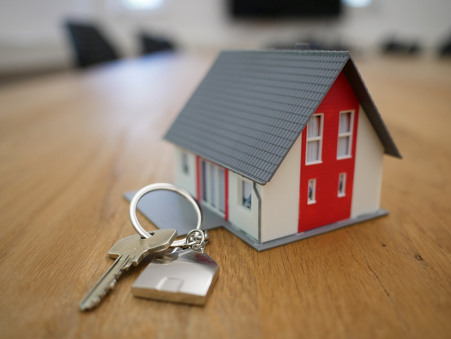
Buying your first investment property comes with great excitement. However, it can also be scary, as you are unfamiliar with the territory of owning an investment property. There are many options and different factors that can influence your decision. While it may feel overwhelming at first, it’s easy to buy your first property if you follow the right steps. The key is knowing the reason you’re investing in real estate, your goals, and the obstacles that may be in your way. To get started with your real estate investing journey, here are the must-follow steps, presented below by the real estate professionals at Franklin Investment Realty. Get Pre-Qualified If you’re in the planning stages of buying a property, you should get pre-qualified for a mortgage. While this is not an official approval, it can help you raise the chance for financing. Pre-qualification tells you the things you need to get financing. For example, if your debts are too high, you can pay them off to boost your credit profile. Pre-qualification is an important step if you don’t have enough money to acquire the property without borrowing. Typically, a pre-qualification is good for about 90 days. However, when ready to buy the property, it’s recommended as it can speed things up when applying for a mortgage. Define Your Investment Strategy It’s crucial to approach real estate with a strategy; for instance, determine if you’re buying for the long-term or on a short-term basis. If you’re buying to hold, you need to consider things like maintaining the property, managing your investment, and ensuring you get the returns you expect. If you want the best results renting the property, you must consider a good location that is in high demand. Also, you can hire a property manager to help you with all that is required to keep your investment running smoothly. Look for Suitable Property After doing all the “leg work,” you need to find a suitable property. It’s easy to get the information you need without too much effort. Browse online here to see which properties are on the market. While doing the search, you don’t need to restrict yourself to a single geographic area. You can also explore outside your state. An easier option is to hire a buyer’s agent like Matt Scannapieco to assist in the search process. Due Diligence After locating the property you want to buy, it’s important to do due diligence. Home inspections are an important part of the buying process; after all, you need to know the property’s repair exposures to ensure you’re getting a reasonable deal. Talk to a contractor to know how much it would cost to fix any damages and plan for future improvements. There are different outdoor improvements you could do, including installing a new fence. There are many local fence companies you can contact for such a project. Ask for a quote for the project and also review the company’s performance by reading reviews online (sites like Angi allow you to read reviews from previous customers). The cost depends on the size of the fence and where you want to install it. All these costs should be a part of your calculation to decide if the property will give you a good return on investment. Create a Support Team Investing in real estate requires the collaboration of different people. You need eyes all over the place to create a successful portfolio. Your support team could include: An attorney An inspector A home contractor An appraiser A loan officer A real estate agent from Franklin Investment Realty These will work together to cover all angles and ensure your investment offers the best returns. You need someone to review the legality of documents, another to calculate the property’s value, and another to check the property’s soundness. You can also enlist the help of specialty services that can help you with specific tasks related to starting your business. For example, if you’re registering as an LLC, work with a company like ZenBusiness to ensure that all of your paperwork gets filed correctly with the state. Getting your first investment property is an important financial decision. You should consider a property that will appreciate in value and also give you cash flow. This is a good way to diversify and ensure you don’t put your eggs in one basket. These guidelines should help you understand where to begin so you can lay the foundation for success. – Rhonda Underhill