How to Prepare Yourself For a Real Estate Audit

Managing a rental property can be a pain in the backside, especially if you’re expecting a real estate audit. Instead of dreading that Godawful date, what you need to do is to make sure your property complies with regulations and strict accounting standards. In short – you need to get audit-ready. What Do Real Estate Auditors Look For? To put it simple, your auditors will look for accountability and accuracy. Don’t mistake their painstaking process for hostility because they will never try to trick you on purpose. What’s more, a real estate audit never has a pass/fail outcome. In reality, a real estate audit only tries to streamline your business practices based on state and federal regulations. In other words, they try to make your real estate business legitimate for the benefit of your investors, partners or tenants. When Can You Expect a Real Estate Audit? Depending on where your rental property is located, you will need to be audit-ready in order to be able to provide monthly reports and accountability check-ins. In contrast, some areas may be subject to random audits or when someone files a complaint against the property. If you can’t seem to find any clear audit schedule for your neighborhood, this does not mean that you are immune to unexpected visits. You see, even the IRS may request your banking documentation and financial records for an audit. By Getting Audit-Ready You Will… Feel a lot less anxious about the audit Make the process easier and painless Be more aligned with state and federal regulations Have up-to-date accounting records Be prepared for annual tax reporting Reduce legal and financial risks How to Prepare for an Audit 1. Dedicate Your Spare Time to Data-Entry and Analysis Prepare accounting statements and analyze your entries whenever you find time to spare from the office or household chores. Of course, if you’re concerned about the shortage of time, you might have to manage office hours in a manner that you can prioritize data-entry accordingly. 2. Don’t Take Shortcuts It might seem like a good idea to skip some details, but don’t expect your real-estate auditors to be as forgiving. What you need is an accounting software that summarizes your accounts with brutal detail and splits them into memos, invoice numbers, transactions, and document checks. Once you get a hang of the software, all you need to do is enter quantities and, perhaps, notes alongside each transaction to annotate correspondences or phone conversations. You can also use some rental property accounting softwares to set reminders to update your compliance documentation and business licenses. 3. Don’t Get Too Creative The only things you accounting software should help you summarize are: Rental property transactions Tenants moving in and out The receipt and returns of security deposits Proof of transactions. 4. Conduct Your Own Audits In doing so, you might come across accounting errors or problems in business documentation and licenses. To help streamline your own in-house audit, you should implement bank reconciliations, review your documents and always check-off what you’ve audited in a checklist. 5. Focus on Transparency Transparency helps reduce the signs of clear mismanagement, fraud or commingling. By adding more transparency into your accounts, your auditors will be satisfied with the degree of detail and accuracy in your ledgers. Need Assistance? You can always hire an experienced property manager, to streamline your tasks for you. By hiring a property manager, your real-estate business will be audit-ready in no time and all you will need to do is make all the decisions or follow-up on their activities whenever your schedule allows you to. – Jivko Stefanov GoodJuJu
What to Evaluate When Considering a Detached Garage
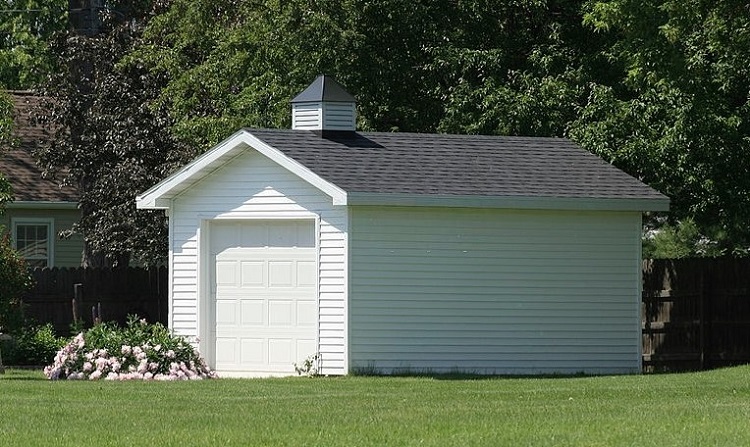
Garages are getting a new, fresh consideration by homeowners these days. Once, garages served one purpose: to house and shelter your car. Today, a garage can serve many purposes, including storage, a playroom for the kids (or a game room for adults), and even a guest room that can be rented out to generate income. If you already have a garage for one purpose, you may be considering a second garage for additional reasons. Great idea, but it takes some serious consideration and planning. Here are just a few things to keep in mind when planning a detached garage: Start with your best reasons for building: Extra storage space Renting the space in order to generate income To house additional vehicles To create some solitude (or a mancave) Build a plan: How large will the garage be? Will it shelter vehicles? More than one? What kind of doors and windows will you include? What type of roof? Will this construction require contractors (and subcontractors)? Know the rules: Does your community require permits or inspections before building begins? Who is liable in case of an accident during and after the construction phase? Check your homeowners insurance. Determine if you are going to need a contractor to help you: Plan to request at least three quotes. Don’t automatically consider the lowest quote. Instead, consider reputations and recommendations. Try not to cut corners. Make sure to check if your contractor is listed with the Better Business Bureau. Trust your gut: does this contractor inspire confidence? Sign a contract so that there are no gray areas or miscommunication about what is needed to be done and when. Consider building materials (and any related building codes): If using a contractor, request a bill of materials (BOM). This is a list of all the materials required for the project. What type of framing (lumber) will you need? What type of foundation materials will you need (most common: cement)? Will your garage be heated or air conditioned? You then need to consider HVAC services and equipment. What type of materials will you need for your roof? What type of door and window materials will you need? Do any of your materials need to comply with your local building codes? Should you consider a prefab detached garage kit? They’re often designed to accommodate one car (but there are exceptions). Some offer additional space for tools and storage. Consider a kit that may also create a guest room or additional housing unit (ADU). How much will this garage cost you? Of course, it all depends on what type of garage you are building and where you are located. $16,766-$38,954, according to Home Advisor $35-$60 per square foot/$19,600-$28,200 average total cost, according to Home Guide. Average cost for a two-car, single story, finished interior, 576 square foot, asphalt shingles, vinyl siding: $52,830, according to Fixr. Bottom line: It’s undeniable: we all need more space. A detached garage on your property may be able to solve logistical problems or help serve a new purpose. However, don’t move forward until you have all of your ducks in a row, knowing what you’re up against, how much the project will cost, and that you are building legally. – Karl Kennedy
Things to Look For in Your Next Home

As you start the home buying process, you will have to consider many important factors, above and beyond your own personal budget and buying power. While this can be a stressful process, there are things you can do to make the process simple and as stress-free as possible. Whether you’re a first-time homebuyer or a current homeowner, you can begin to prepare for the homebuying process by spending some time thinking about the things that are most important to you. At Franklin Investment Realty, we are here to not only help you purchase your next home, but help you truly think through exactly what you want – and need – in your next home. Welcoming Neighborhood One of the most important things to consider, relative to your own personal budget and buying power, is where you want to purchase your new home. Are you looking for a quiet neighborhood with a larger yard (Bucks County)? Or, maybe you’re looking for a new home in a more walkable neighborhood (Old City)? Perhaps you’re shopping close to work, or you’re looking to purchase a home in a specific school district? These are all really important things to consider as you start researching new homes and each answer will be specific to you and your family. With our many years of experience in the greater Philadelphia area, we are confident we can help you explore new neighborhoods and exciting pockets of the city, like Brewerytown and many other booming neighborhoods, and find the area that’s just perfect for you. Cozy Living Spaces and Amenities Another critically important decision you will need to make is determine exactly how much space you need – and how you want that space to be allocated throughout your home. Maybe you’re a chef and an impressive kitchen with ample storage is important to you; or maybe you would prefer a bonus media room for your children or a spare home office. Either way, determining exactly how many bedrooms and bathrooms you need in your next house is an important decision to make as you tour potential new homes. Another important decision you will need to make is to consider if you want your home to be move-in ready, or if you want to be afforded the opportunity to make your home your own with small – or large – renovations. In this housing market, and with our knowledge of the area, Franklin Investment Realty can help you consider the pros and cons of purchasing a move-in-ready home, or a charming fixer-upper that you can customize to be your own. Once you’re settled in your beautiful home, you can stay cozy and warm with an indoor movie night. Make your perfect night-in all the better with a home theater projector and stream your favorite holiday movies or shows anywhere in the house, maybe even outside if the weather allows, or stay indoors cozied up on the couch. To make the season even more special, you can build a hot chocolate bar complete with marshmallows, candies and peppermints. – Karl Kennedy
Exterior Home Projects that Increase Your Home’s Value
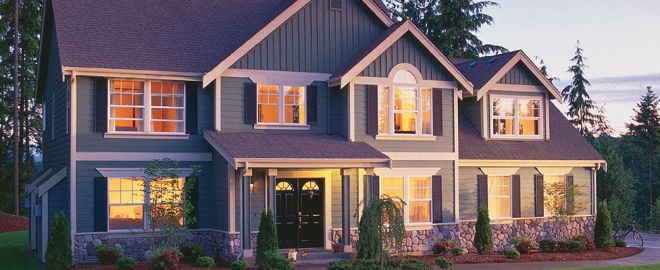
Spring will be here before you know it so now is a great time to start planning some exterior renovation projects that will be perfect for the warmer weather and boost your home’s value. The exterior of a home offers plenty of room for upgrades, so let’s go over some of the best projects you can undertake that will not only boost your home’s value but provide you some personal benefit as well. A New Roof The roof of your home has a huge impact on its value. By installing some fresh shingles or other types of roofing, you can achieve a fresh, crisp look up top that will be reflected in your home’s value. You can’t go wrong with new asphalt shingles, but you might also opt for synthetic cedar shakes, rubber slate roof tiles, or natural wood shakes. For an added bump in value, consider attaching some solar panels to your roof as well. Landscaping Another big-ticket upgrade that stands out upon first viewing of a home is a landscaping project. This can take the form of a beautiful, winding stone pathway, a pergola, gazebo, hedges, a garden, or anything else you can come up with. Having some sort of prominent, unique feature in your yard differentiates you from your neighbors and adds value to your home. Improve Your Facade Your facade generally refers to the front of your home. This includes everything from your siding to your front door. Improve it all in one fell swoop for maximum value. You can replace your front door with a newer version or style, or you could simply add a fancy knocker or some window panels. For siding, consider swapping out traditional vinyl for something with more value like fiber cement, stone veneer, or vertical metal siding which are some of the best house siding options on the market today. New Windows Windows play as big of a role in determining the value of your home as many other large features. They can let in natural light and improve the aesthetic tremendously if you pick the right kind. Adding a skylight or two as well as swapping out old windows for newer ones is another highly effective way to add value. Replace your old single-hung windows with more creative styles like a bay window, sliding windows, or even garden windows that allow you to grow flowers or vegetables indoors. Weatherproofing Leaks One easy and super cheap way to add value to your home is by weatherproofing windows and doors. Adding some weatherstripping, an AirDam, or both can eliminate those pesky air leaks and raise the energy efficiency level of your home, adding significant value to it. A New Garage Door Especially if your garage door is facing the street as most garage doors do, you need yours in tip-top shape. Try replacing your old door with a new one for a fresh look. There are plenty of styles and colors to choose from and nothing helps add to a home makeover than a brand new garage door. Upgrading from a manually opened garage door to an electronic one is highly advisable if you haven’t already. If you want to further improve your garage’s curb appeal consider adding a garage trim to it such as a curbed trim. A Pergola for the Backyard Shade is a hot commodity in these times, so give yourself some extra shade by building a pergola in your backyard. A pergola can be like a little oasis of shade, especially if you don’t have many trees in your backyard. There are even companies that offer kits and a full set of instructions for how to build your own pergola. Permeable Driveway If your home deals with driveway flooding at all, this can lower its worth. Raise your home value and remake your driveway by installing a permeable driveway with a built-in driveway drainage system. One of many driveway paving ideas is filling it with beautiful limestone which is even more durable than an asphalt or gravel driveway. Permeable paver driveways provide both style and functional drainage, lowering maintenance costs, and adding value to your property overall. Add a Water Feature A water feature is an excellent way to add some value to your home. By installing a fountain, duck pond, or even a small in-ground pool, you can add some serious character and depth to your backyard and thus achieve a higher asking price on the market. The types of materials to choose from when adding a water feature range from inexpensive to high-class and very expensive, so you have a lot of freedom to take this one as far as you want to. Upgrade your Home Exterior for a Big Boost in Property Value There are plenty of ways you can invest in your home’s exterior to raise its value. From smaller projects like weatherproofing your windows and doors or building a pergola, to slightly larger ones like adding a water feature, building a permeable paver driveway, or swapping out your old garage door for a new one, there’s no shortage of ways to raise your home’s value with some exterior remodeling projects in 2021. Contact Matt Scannapieco for a home value estimate and forecast for these exterior improvements. Matt Lee is the owner of the Innovative Building Materials blog and a content writer for the building materials industry. He is focused on helping fellow homeowners, contractors, and architects discover materials and methods of construction that save money, improve energy efficiency, and increase property value. – Matt Lee
Benefits of Retirees Selling Their House

The pandemic is hurrying this trend along: many retirees who have been cooped up in lock down may be looking to move to a warm-weather climate with plenty of safer outdoor space. This may be the perfect time to start a new life in a better place, and there are added benefits to the life change. Here are just a few: Enjoy a nice cushion of funds. It’s not uncommon for many people to begin their retirement with a shortage of savings. For those who own their house outright — or at least have a lot of equity in the property — a strong housing market could produce a surplus of funds for living, while finding a lower-cost new place to live. Allow for a tax break. Because of the Home Sale Exclusion, unmarried people can exclude up to $250,000 in profit from the sale of their main home. If you’re married, you can exclude $500,000. Note that you have to have lived in your home for two out of the five years from the date of sale. Other rules apply — be sure to check them out. Reduce annual property taxes Nobody wants to spend their retirement fund on expensive property taxes. Some property taxes are the same or even greater than a mortgage payment. Finding a new home in a new market may come with a greatly reduced property tax burden. Some markets — like Nevada and Florida — have no income tax. This makes the market particularly attractive, especially to retirees who plan to work part time or start a passion business. Reduce or eliminate maintenance. Older people may not want to be bothered with the usual maintenance tasks that they have had to do for years in their current home. It may be time for a condominium or rental that leaves the heavy lifting (and lawn mowing, and snow shoveling) to a maintenance team. Eliminate the challenge of stairs. Stairs can create a challenge for many retirees, and can affect the simple task of getting around. A ranch-style home, condo or garden apartment may eliminate the need for climbing stairs and make getting around much easier. Live in a higher-tech house. The idea that older people can’t handle new technology is nonsense. Retirees may love to start a new life in a new home that offers the most current features of good living. Perks could include smart refrigerators and lighting, laser projectors for watching movies, and bluetooth speakers throughout the home. Note: before you make any huge decisions like selling your current home, be sure to consult a professional Realtor for advice and navigation. Matt Scannapieco can prepare a CMA for you (a comparative market analysis) which compares your property with other homes in your neighborhood that have sold within the last 180 days or are currently listed. This gives you the best idea of what your home is worth, and may keep you from agreeing to a sale that is far below your home’s actual value. Bottom line: Not every retiree has the same idea of the perfect home, but common benefits like lower taxes and expenses, more income, easier ways to get around, and amazing modern technology could be a shared goal for starting a new life in a new place. Better late than never! – Karl Kennedy
9 Questions to Ask a Realtor When Shopping for a Home

Whether you are buying a home or renting one, there are important facts to know about the property before settlement. Asking the necessary questions arms you with the needed information about the house, which helps you to make the best for your family. 1. What Is The Home Condition? Before moving past inspection contingencies, ask for the estimates for the repairs – assumptions can be costly. You should know the home condition which includes the state of the components in the house, such as HVAC, roofing, electric service, chimneys and more. Knowing the necessary repairs to be made will help you make a fair offer and prevent loss on your side. 2. Why Is The Owner Selling? Try to find out why the owner is selling before making a decision you can’t easily turn away from. While most sell due to outside circumstances, some might be selling because of certain faults with the home. Safe reasons for selling include: relocation for a job, moving closer to family and friends, desire to move into a bigger house, neighborhood, school, etc. 3. What Are The Schools Like? The quality of schools near your potential home should be put into consideration if you already have or plan to have kids. The proximity of the school to the home and the quality of the schools’ academics are key. Even if there is no kid in the picture, houses located around good schools usually sell for a higher price. 4. What Is The Probability Of Natural Disasters? While natural disasters are not planned, some environments are more prone to natural disasters than others. Ask for the risk of common disasters like hurricanes, tornadoes, floods, severe weather conditions, wildfires, storms, etc. Knowing this fact helps you to be prepared for eventualities if you decide to get the property. 5. What Materials Are The Walls Made Of? The durability, low-cost maintenance, and energy-efficiency of a house are dependent on the material the house is made of. It is important to note that concrete block homes are the best for long term usage. When a house is made of concrete block, it creates a secure, healthy, and comfortable environment for living. 6. Condition Of The Roof Changing the roof of a house incurs huge expenses, so the roof of any property you want to buy should be in a good and durable condition. Roof style differs in beauty, durability, stamina, repair cost, etc. Decide on which one is best for your home. 7. How Long Has The Home Been On The Market? Knowing how long the house has been put up for sale will give some insights to faults in the house, neighborhood, or the seller’s asking price. These insights will make for easier negotiation. 8. What Are The Property Tax And Utility Bills? You should ask for the previous bills of the last inhabitants of the house. Asking for the property tax and utility bills will help you figure out if you can afford the house and the mortgage. 9. What Are The Major Reservations You Have About The Property? A realtor’s experience allows them to give advice about the property and future potential of the home. Take due advantage of their expertise and experience. Before settling for a property, double-check all the facts you are provided with and do not make any decision under duress. Ensure the necessary documents are signed and protocols followed. Hire the best realtor you can afford and trust (like Matt Scannapieco) All questions will be answered in very explicit words that are devoid of any ambiguity. Matt Lee is the owner of the Innovative Building Materials blog and a content writer for the building materials industry. He is focused on helping fellow homeowners, contractors, and architects discover materials and methods of construction that save money, improve energy efficiency, and increase property value. – Matt Lee
Front-Line Worker Partnership

In response to the ongoing coronavirus pandemic, Franklin Investment Realty has outlined a partnership with front-line workers to assist making their real estate goals possible. We are offering a one time $1,000 settlement credit to both buyers and sellers indefinitely if you register with us before the end of May 2020. You can register below or at the following link: Front-Line Worker Registration. This partnership is designed to give back to all the front-line workers who have worked tirelessly throughout these unprecedented times not just with coronavirus but addressing all concerns. The front-line work force is very close to home having many family members and close friends working diligently during this pandemic. We want to honor all their hard work and consistent efforts far beyond the COVID-19 pandemic. Franklin Investment Realty will make your real estate goals possible. We have experience working with buyers, sellers, and investors throughout Bucks, Montgomery, and Philadelphia counties. Through the collaborative effort of our government, front-line workers, businesses and individuals, we look forward to putting an end to the coronavirus pandemic! – Matt Scannapieco
COVID-19 Resources

Wondering how to buy and sell real estate while being quarantined in your home or apartment? The real estate industry is very adaptable and has rapidly adjusted to current circumstances. Virtual tours and walkthrough videos have become a necessity in a time with limited ability to get out of the house. DocuSign and other e-signature platforms have become imperative to keep in touch with clients and move transactions forward. Our agents are still available remotely and have the resources necessary to get your home sold or help find your dream home! For other businesses affected by the slowdown due to the coronavirus outbreak, there are programs and options available to help mitigate losses. You can find information about forgivable loans and the paycheck protection program at the respective links. For current homeowners who are impacted – many lenders are offering a variety of options to help with mortgage payments. If you are in need, contact your lender and see what options are available to you. You can visit the CDC website for general information about the virus and be more informed about warning signs and symptoms. The more accurate information we have about this virus the better we can react and take steps toward improvement. Franklin Investment Realty is here to support the community and serve while ensuring the health and safety of our clients and other real estate professionals. Stay safe and healthy – hopefully this outbreak subsides soon! – Matt Scannapieco
Volatile Stock Market and Interest Rates

The stock market took another hit after the Fed cut interest rates by half a point. Mortgage rates are already nearing all-time lows, but appear poised to continue to decline after the Fed’s emergency intervention. Low mortgage rates increase Buyer spending power due to decreased mortgage payments. Buyers can now afford to buy more house and pay the same amount monthly, just in time for the spring market. For current homeowners – it would be wise to review your current mortgage interest rate and evaluate the potential savings of refinancing. Rates have not been this low since the housing market crash in 2008. – Matt Scannapieco