Great DIY Remodeling Ideas to Help Sell a Home
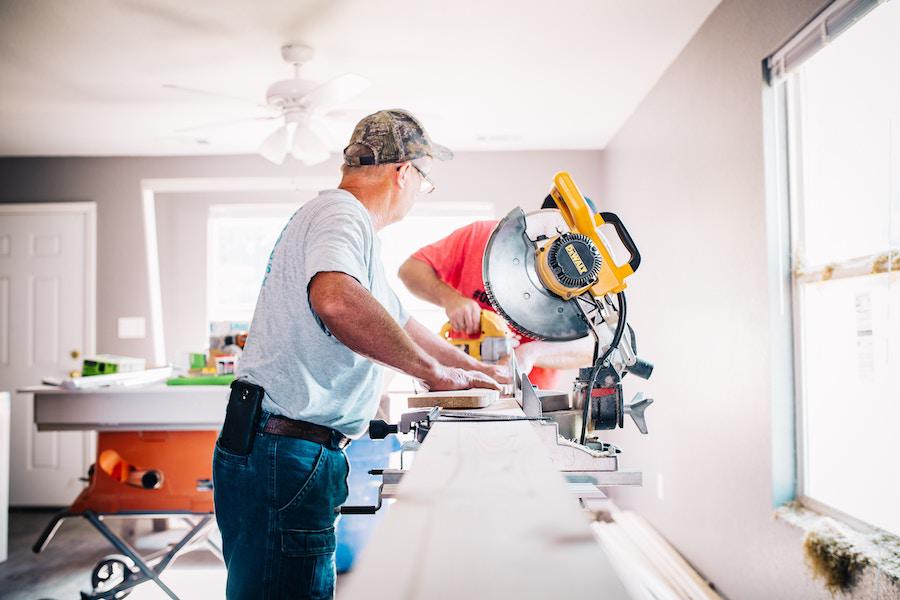
Selling a home can be exciting: but listing an unfinished home can leave you receiving far less money than you deserve. Instead, consider updating the home in small ways that can add up to a huge payout. These are some of the best remodeling ideas that will help you sell your home! Updating Your Windows Without Replacing Them We all want brand new-looking windows, but we don’t always necessarily need to replace them. If your windows are still in good condition, and you want to make sure they look great when you list your home: consider a window sash replacement! Your window sash is the part of your window that allows it to move up and down. These can quickly yellow or look rough over time, so replacing them can allow your whole window to look fresh and new. Although you can definitely replace the entire window if you feel the need to, it’s not always necessary: and this step can save you some money, allowing for a higher return on investment. Make The Master Bathroom Paradise What’s the master bathroom of the home look like? If it’s not gorgeous, it’s time to make it gorgeous. Put in the work to create a bathroom where buyers will picture themselves luxuriating and enjoying the soothing atmosphere. You can do this by adding a larger tub if there’s room, repainting, and replacing fixtures with more stylish ones. Remember to use materials that can handle a large amount of moisture in the air. Adding Better Water Drainage Water is one of the most corrosive materials on Earth, so it’s vital that you don’t allow too much of it to come into contact with your home. One of the best ways to do this is to complete a trench drain install. These trenches divert water away from your home, pulling it to a better area off of your property that won’t leave it damaged and at risk of flooding. If you’re not sure where to lead it to, check your local property lines and make sure you’re not diverting it into a neighbor’s lawn. Beautify Your Driveway Our driveway is our first and last point of contact with our homes: don’t allow this to come stained. Instead, look into how to remove oil stains from driveways. You can do this by using cat litter and chemical cleaners or any other absorbent material and a power washer. These will get the oil up and out and will allow you to deep clean the driveway without damaging it. If you want to take it further while you’re renting a power washer, take the time to powerwash any brick or stone on the exterior of your home. You can power wash siding, but it’s vital that you aim the nozzle downwards when you do to ensure that you don’t spray upwards into your insulation and damage your home. Let Nature Help Add Intrigue If your home sits on a lot of nothing but grass, you’re going to struggle to find people who feel inspired by that lawn. Lawn work is the cheapest way to add value and interest to your home while demanding you put in extra time and work. To add intrigue with plants, add flower beds at least six inches away from your home’s exterior walls and add features like shrubberies and flowering bushes. If you live in a climate that doesn’t allow for these: use plants that are native to your area instead. Use Great Stain to Touch Up Your Interior Photo: HGTV.com The interior of your home needs to flow naturally and feel like it’s unified without having to try too hard. One of the best ways to do this is to find the best stain for interior wood and allow your home to match thoroughly. It’s okay if there are one or two variances, but you should try for one main texture or stain. If you’re touching up your interior’s stain, take the time to remove previous stains or paint, sand it down, and prep the area correctly. This will allow the color to be applied in the smoothest way possible. Create Exterior Seating and Lounging Areas More people are looking for outdoor spaces for lounging than ever before. Thanks to so many people feeling cramped and stuck inside from 2020 to 2021; countless house hunters are looking for private outdoor areas where they can sit, enjoy the company of loved ones, and get in some fresh air. To do this, you can either lay down a concrete slab porch, create a gorgeous brick patio, or even build a deck if you can get the supplies for cheap enough while not wavering on quality. Make this a space where people will be excited to live. Every Property Can Sell if Well Planned Whether you’re selling your first home or you’re flipping a property and want to get the most out of it: consider these updates! Not only will they get more buyers in the door, but they’ll also inspire higher payments! – Sam Willis Sam Willis is a contributor to Innovative Building Materials. He is a blogger and content writer. Sam is focused on helping fellow homeowners, contractors, and architects discover materials and methods of construction that increase property value, maximize energy savings, and turn houses into homes.
5 Tips to Keep in Mind When Home Buying Amid Rumors of a Crash

Pandemic trends led to a high-demand real estate market, with a new wave of remote workers buying in more affordable rural areas, and driving prices up. With inflation on the rise in general, and many housing markets remaining hot through a predicted downturn, it may seem a risky time to buy a home, or to invest in a new property. Despite signs of real estate being overpriced, the growing number of first-time buyers and investors are keeping the real estate market growing, even while slowing. There are plenty of deals to be had, but no one wants to get stuck paying too much for something that doesn’t keep its value. Homes, and property, as a general rule, are good investments, but as we learned in 2008, investors can tip the scales enough to bring a crash. While it’s true we’re in new territory, and one would expect a “correction” in markets where prices continue to rise beyond what local median incomes can support, the comparisons to the 2007-2008 housing market crash and the Great Recession are stirring unfounded anxieties. Consider these tips for navigating the homebuying process. Tread Carefully with Foreclosures Buying a foreclosed home could be one option to save money on your investment. But it’s crucial to understand what you’re getting into with an as-is property deal. For example, though you may be able to waive an inspection (especially if you’re buying cash), it’s not always a good idea. A home inspection can reveal issues that you would otherwise be oblivious to – leading your new property to become a money pit in no time. Hiring an inspector ensures that you find out about leaky plumbing, out-of-date HVAC systems, and roof issues long before signing over your cash. Make Essential Improvements First Treating mold and other hazards is a solid first step, and a good deep cleaning is often in order. You may also consider low-maintenance landscaping to increase your (or your tenants’) enjoyment of the home and yard. After all, the less time spent working, the more time you’ll have for relaxation. Cleaning the windows, because it’s often neglected by even the most fastidious homeowners, can make a real difference in the presentation of the home. The rooms are slightly brighter, the views more crisp. Cleanliness can have an overwhelmingly positive effect on our response to new surroundings. Thankfully, you can comparison-shop for the best window washers near me. Verify Potential Purchases Ahead of Time When buying a home while there’s looming uncertainty, there’s always a possibility that legal issues will crop up. Foreclosures are particularly susceptible to both structural and legal problems. But it’s smart to check out the property’s title status before making an offer – or at least before locking in a contract. As Rocket Lawyer explains, in most areas, you can perform a free property title search through the county assessor. It could take some digging. But confirming that the title is in good shape is a must when you’re investing in a potentially awful investment. Have Cash In Hand If you’re looking for a rental property to invest in, you may have funds available for an outright purchase. But if you’re a first-time homebuyer or are taking out a conventional loan, low rates aren’t the only thing to know about in a recession. Because many real estate markets are becoming increasingly competitive, prospective homeowners can expect to play hardball when it comes to making an offer. That might mean asking for seller concessions or closing cost support is a no-go. You’ll also need cash for your down payment and incidentals, whether you’re going with a conventional loan or an alternative with lower up-front costs. Conventional loans require a 3 percent down payment minimum, and they are available at fixed or adjustable rates. By paying more up-front, a homebuyer is proving to the seller that they can afford any unexpected costs during escrow. To be the most appealing to sellers, waving around a bit of cash can’t hurt. Plus, if your down payment is 20 percent or more of the loan amount, you could skip private mortgage insurance (PMI) – a significant savings over the lifetime of the loan. Keep an Open Mind Because talk around the real estate markets and anxiety over a repeat of the housing crash and great recession, the perception of a volatile market, of an impending crash, or even of a slowing market could affect the prices of individual homes. Another look at a fixer property in a good neighborhood could be worth your time. Similarly, comparing financing options or offering more cash at closing could boost your appeal to sellers. The predictions are in and despite similarities to the last housing crash, most housing markets will only slow slightly and the demand for housing will continue to drive home prices up. The current forecasts predict that buying today is still a good investment over the long haul. Buying or selling in the greater Philadelphia area? Make sure to work with a skilled agent from Franklin Investment Realty! Contact them today! – Shirley Martin
How the Right Kind of Lighting Can Transform Your Home
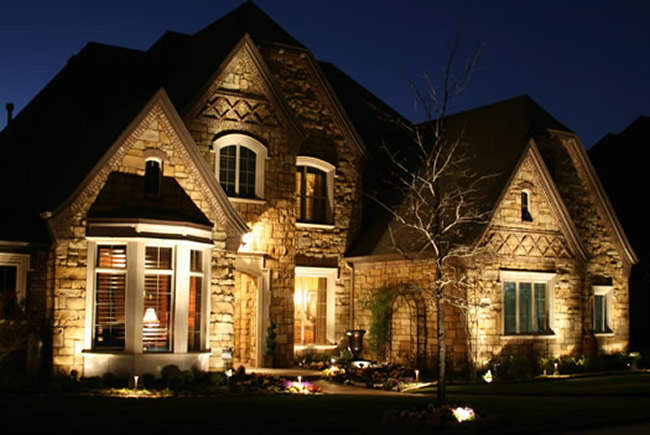
The right lighting can totally change the aesthetics of any room. In fact, the right kind can liven up a room, making it exciting and extremely eye-pleasing. It is important that you use reliable and good-quality electrical wires and cables while installing the lights. Let us learn more about lighting and how it can change the appearance of any room. Key Lighting Design Factors Area and size of the room Your preferences Height and shape of the ceiling Color of the walls, furniture and accessories Shadows and reflections in the room Daylight integrations Energy efficiency Level of illumination (lux) Electrical codes, documentation, and specifications 3 Types of Lighting General or Ambient Lighting This type of lighting is simply used to make an interior space visible. Ambient lighting is soft and allows you to function without a harsh glare. Use the right type of home wiring while installing these lights. Task Lighting Task lighting is concentrated, smaller lighting. It is meant to help you see clearly when you do activities like reading or sewing. It works well only when it is used as a contrasting light. Accent Lighting The primary objection of accent lighting is to draw the eye to its focal point. You can use it to add style and even drama to a room. Ensure house wiring is of high quality while installing these lights. How to Light Different Rooms of a House Entryways The entryways should be well-lit. One of the best lighting options for entryways is ceiling fixtures. Avoid downlights as they can create high contrast shadows. You can also use track lighting if you want to create a wall wash. Make sure the electrical cables are not visible when you fix the lights in the entryway. Stairs and Hallways There should be enough lighting in stairs and hallways to provide a safe passage for those using them. Install a light fixture every 4 – 6 feet. If you use the right type of lighting, you can make the area seem more spacious. You can use different light sources like wash lights or wall fixtures. Utility Rooms and Garages In these areas, you need plenty of ambient and recessed lighting. Utility rooms like the laundry area would require task lighting. Do not place the lights directly over the vehicles in the garage. Installing moisture-proof fluorescent lighting would be ideal. Go over the house electrical wiring to determine which would be the best spots to install lights. Living Rooms A living room is where you spend most of your waking hours. This is where you would gather with your family, host guests, watch television, read, or work. Multiple light layers, along with dimmable lights would look great. You can also use a combination of accent lighting and ambient lighting. Kitchens This is undoubtedly one of the most functional areas of the house. You don’t just cook in the kitchen, but also eat, hang out or even work. This means you need plenty of ambient light along with task lighting in the kitchen. Under-cabinet lighting can provide task lighting for the counters. Consider using energy-efficient lighting since you would use this space a lot. Dining Room Install beautiful light fixtures like chandeliers or pendant lighting above the dining table. You can also use track lighting and dimmers to create a more relaxed or romantic ambience. If you want to use recessed lighting, then aim the light toward the walls as it will create ambient light. Ensure that the home electrical wiring supports the installation of these lights. Bedroom Bedrooms should be relaxing and help you wind down after a long and tiring day. Moreover, the lighting should help you fall asleep. Ambient lighting, along with dimmer controls, will help you achieve that. Accent lighting will give the room a more decorative look. Don’t install any light directly above the bed. Bathrooms Bathrooms are all about function, safety, and aesthetics. You must have bright, even light that is shadow-free. Use recessed lighting as it would help free up space and offer a glare-free look. Choose a neutral light that is directed toward your face when you look at the mirror. To Conclude Remember that you must pay attention to the home electrical wiring system when you install the lights of your choice. Choose the right type of lighting, and you will see your home transform into a relaxing, comfortable and stunning place. – Jesson Pitt
Top Features to Look for in a New Home

Your home is your space away from the world, where you can slip away and recharge or relax while connecting with loved ones. It needs to be more than just a few walls and simple rooms. These are the top features everyone should be looking for in their new homes: and why they matter! Fantastic Siding That Will Last Your siding needs to be as strong as possible to protect your home. Although aesthetics matter, deciding what color people refer to your home as and deciding their first impression of your property, it’s also vital for it to be able to handle storms, moisture, and wind. Look for a property with a strong board and batten siding that’s recently been installed. Although you can simply replace the siding with something that matches your tastes if you go for a home with older siding, it’s not necessarily the best call since that can be expensive for a new home buyer. A Roof You Can Trust How old is the roof of the homes you’re looking at? Anything older than 20 years old will probably give you trouble within the next decade or two, causing you to have to put tens of thousands of dollars into replacing it. Instead, seek out a property with composite roofing that’s recently been replaced. Composite roofing, also known as synthetic shingles, is made out of recycled materials and allows you to get the look of slate or cedar shake: while also being ecologically sound. These roofs can last beyond fifty years if completed by the right company and are a good choice for almost anyone. Energy Efficient Details Energy bills are skyrocketing, so many buyers are making the smart choice of seeking out properties that are made to be more efficient. You can see these details throughout the home if you know what to look for. Properties with energy-efficient soffit panels that are well insulated and that have updated HVAC systems often deal with far smaller energy bills than their counterparts. A Feeling of Security and Safety You should feel secure and safe within your home. The best way to ensure you do is to look at the crime rates of the area you’re moving to and look at the details of the home that point towards it being a safer property. Are the windows newer, with good locks on them that you can switch whenever you close them? Are the doors good quality? You should also consider looking for exterior lighting for your lawn. This will not only help you show off your beautiful property at night, but it will stop people from trying to trespass at night since they’ll be easily spotted in the exterior lighting. Gorgeous Details: Even in the Garage Every inch of your new home should have details that show it was thoughtfully constructed and updated. A major point that gets overlooked is the garage! A new garage door ensures you won’t have to struggle with replacing it any time soon, and epoxy-painted concrete floors will save you from worries of staining or discoloring your garage floors by using them. Every garage should also have some form of storage, where you can store items on the walls or up in an attic space so that you don’t have to worry about random boxes taking up all of your space. A Location That Feels Like Home Where your home sits should feel like home. Is this an area where there’s a lot to see and do that you’re interested in? Is it near work or loved ones? Are there good schools nearby for your children? Although every area will grow and change as you live in it, can you see yourself becoming a part of this community and getting to know your local neighbors? This can change everything about how you feel living in a home. The best home possible isn’t worth anything if you don’t feel happy living there. Enough Room to Grow The worst thing you can realize while living in your new home is that you’re suddenly out of space. Although it’s a good idea to try your best to stay within the budget, if your budget leaves you a couple of rooms short, you may need to get creative. We all grow and change as we live, collecting more items and possibly expanding our families. If the home you’re buying isn’t able to handle whatever life changes may come within the next ten years: it’s not a good investment. Your Home Should Have Everything You Need Whether this is the first home you’ve ever bought or you’re buying one to upgrade from your current property: it’s vital that you look for a house that speaks to you. Look for these details while you’re house hunting! – Sam Willis Sam Willis is a contributor to Innovative Building Materials. He is a blogger and content writer for the real estate industry. Sam is focused on helping fellow homeowners, contractors, and architects discover materials and methods of construction that increase property value, maximize energy savings, and turn houses into homes.
First-Time House-Flipping How-Tos for Seniors

Have you considered starting a house-flipping business? As a senior with time and the motivation to work hard, it can be a good idea to go into the house-flipping industry. This is one of the businesses that give you the opportunity to get exercise while making some money. Here is an outline the things you should consider that will help you get started with flipping houses. Consider Financing To acquire the first house to flip, you need money. There are costs involved when buying a house to flip, including renovations and marketing. The money you need to renovate the house depends on market conditions and you should also consider utilities, taxes, and insurance while working on it. The Mortgage Reports notes that one of the options is getting a loan, which can be difficult sometimes as banks consider first-time flippers risky borrowers. Once you get several houses under your belt, you’ll raise your profile and find it easier to get approved for credit. Use Software to Your Advantage As a property flipper, you’re now running your own business, which calls for utilizing technology to help with areas like marketing. Your logo, for example, will be on your business cards, your letterhead, your website, and all your social media accounts. The challenge with designing an eye-catching logo is that the combination of graphics and text must convey your values and your messaging, but you don’t have to spend a fortune on a graphic designer to get this done. You can go online and make a logo for free today using one of thousands of professionally designed logo templates that you can customize to your liking. SimplyShowing points out that there will likely be pros that you’ll use for repairs and upgrades that you either aren’t equipped to do yourself or don’t have the time to complete. You may also employ a property manager to handle ongoing maintenance like lawncare and appliance upkeep. In any of these cases, your best bet is to check out payroll software that is robust enough to handle timely distribution of paychecks, as well as tracking labor expenses per project. Look for a platform that will generate W-2s and direct deposit. How to Find the Ideal Property Not every house out there is a good investment. Buying a house “as is” for example may not be as beneficial as you’d think, as there’s always the possibility of costly repairs in the future. Finding good real estate will help you sell without problems, and you can raise your profits significantly. First, ensure the home is in a great location. Begin with searching local cities and neighborhoods. Consider areas with rising real estate sales, a thriving town, employment growth, and other indicators. Also, consider safety in each neighborhood. You can use services like ADT to know what’s happening in a neighborhood. Next, check the condition of the home to know if it would require too many renovations. If the condition is not too bad, calculate the market value of the property. Don’t overvalue as you still need money for renovations and other upgrades. Understand the 70% Rule When analyzing the amount they can pay for a house, skilled flippers use the 70% rule. The rule states one should never pay more than 70% of the properties’ value after repair before all those repairs are done. This means if the after repair value (ARV) of the home is $200,000 and you need $30,000 in repairs, the rule states you should not pay anything more than $110,000 for the home. This is a valuable guide you can use when you enter the house flipping business. Be Cautious About Fixer-Upper Property When buying fixer-upper property, you need to be cautious. While it’s an option when you want to save money, you can be stuck with massive costs for renovations and repairs. Ensure the home does not require a major overhaul to be ready for the market. Things like foundation problems, HVAC upgrades, mold and asbestos, and electrical work could be a deal-breaker. While estimating repair costs, always add about 20% in the estimate to ensure you don’t end with a property that would take you ages to sell. Flipping houses is a risky business that can also be rewarding if you understand how to approach it. If you make the right decisions, you will make good money. Learn everything about flipping houses, including payroll processing, dealing with taxes, evaluating a property for repairs, and calculating market value. This guide could be the starting place for your journey in house-flipping. Franklin Investment Realty specializes in the acquisition of investment properties, leasing, management, sales and development of properties in the Greater Philadelphia area. Contact us today for more info! (215) 382-7368 – Shirley Martin
What to Know Before Buying a Commercial Building

Buying a commercial building is the best way to push your business ahead and make massive strides: but if you decide poorly or don’t plan well enough, you could be setting your company up for failure. Whether this is your first commercial building or your fiftieth, it’s vital that you consider some things before making that purchase. These are the top ideas to think over. How Much Space You Need Now and Will Need in Ten Years Although you may be looking at some of the most incredible buildings and feeling inspired by them: it’s vital that you consider the space within them. Before anything else, plot out what a reasonable growth plan for your business for the next ten years would be. Of course, it’s a good idea to be realistic, but every company changes and shifts over time, so it’s vital that when you put in the money, you know that this building will be able to handle your needs. If you’re expecting to bring in more employees or change to bulkier equipment within the next five years, you’ll need to get a commercial building that has room for you to grow into. What Features The Building Has, And Which You Need What features does this commercial building have? Does it offer an updated breakroom with awesome options for your employees? Does it have attractive architectural louvers that ensure the HVAC system runs like a dream? Is there ample parking with easy access to the building? These may seem obvious, but one of the biggest mistakes you can make is buying a building without looking at what it offers: and considering what you need. On the other hand, if a building is just outside of your budget, but you love the details and amenities it has: consider buying lower and looking into the cost of adding those amenities yourself. Although this will make you put more money upfront, it can turn out cheaper overall. Do The Spaces Work For Your Specific Needs Many features that buyers look for in commercial office design ensure the building is perfectly suited to their business. If your budget is tight, it’s good to be flexible, but not so flexible that you try to turn an overheated warehouse into a call center. Look at the layout of the space, consider the number of rooms and their current use, and think about whether or not this speaks to what your business needs. Although you can update things and change walls or the layout whenever you want, it’s expensive to do so and should be avoided if possible. Is The Location In An Area Easy to Reach By Customers and Employees Whether you’re going for a 5,000 square foot or 20,000 square foot building: it’s vital that you consider the location. If you’re not planning on running your business alone, is this location a space that customers and employees could easily access? Although you shouldn’t buy a city-center location if you can’t afford it, it’s a good idea to keep as close to populated areas as you can. Land may be extremely cheap in distant communities, but if you can’t get enough employees to work the machinery or handle operations: it’s not worth the saved money. Try to find a balance between affordable and accessible for your employees. How Are You Financing This? Can You Afford it Even if Sales Dropped? How do you plan on financing your commercial building? Are you planning on getting a long-term loan that you’ll pay back in sales, or are you paying for it out of pocket? If you’re getting a loan, it’s vital that you ensure even if you lost fifty percent of your sales, you’d still be able to afford this space. Although nobody wants to think about their business dropping that much, 2020 showed many companies that they have to be prepared for any possible incidents that could happen. Careful planning and budgeting will protect your company even if everything else goes south. Do You Have a Team Behind You Helping Make Decisions? How are you deciding on this property? Are you the only decision-maker, or is there a board you have to gain approval from? Try not to work alone on this decision, and loop in an experienced commercial real estate agent to help you. Not only will they be able to show you more properties that you may not have considered, but their experience will also help you avoid making any big mistakes. Your business is a large investment of time, work, and money, so don’t go into any huge decision until it’s been thoroughly discussed and plotted out. Buying a Commercial Building is a Huge Investment Buying a commercial building is a massive investment that will tie your entire financial future into whether or not your company succeeds. It’s important to plan ahead and work with an experienced real estate agent to make sure you’re making the right choices. Sam Willis is a contributor to Innovative Building Materials. He is a blogger and content writer for the real estate industry. Sam is focused on helping fellow homeowners, contractors, and architects discover materials and methods of construction that increase property value, maximize energy savings, and turn houses into homes. – Sam Willis
Should I Renovate or Buy: 5 Things to Think About Before Deciding

When your house needs a lot of significant repairs to stay functional and comfortable for you and your family to live in, you may think the best choice is walking away from your current home and buying a new one. This is the right choice for some people, but others prefer to invest money into their current homes. If you are trying to decide which option is right for you, here are five things you need to think about. When you’re ready to purchase a Philadelphia-area home, connect with the Franklin Investment Realty team! Budget The size of your budget is the biggest factor in whether you should buy a new home or improve your current one to meet your needs. A new house is a huge expense, and even if you qualify for financing, you need to have a sizeable down payment. Your current home may need a lot of work to stay in good condition. You may want to contact a contractor to get an estimate on how much the repairs will cost. If the work will cost more than buying a new home, it’s not worth sinking money into the project. However, this is usually the more cost-efficient option. Current Real Estate Market The state of the current real estate market also has a huge impact on your decision. If the housing market is strong, you can expect to spend a lot of money on buying a new house. You may also have trouble purchasing the house you want because there are multiple offers as soon as it hits the market. When the housing market is slow, you may be able to find the house of your dreams for a better price with less competition. The state of the market also affects the price you will get for your current home if you decide to sell it. Emotional Attachment One study shows that 70% of Americans have emotional attachments to their homes. If you feel a strong connection with the house you currently live in, you may not be ready to move if you decide to buy a new house. Your emotional health may benefit more from upgrading your current home to meet your needs. Timing Many people find the process of buying a new house and moving stressful. If you have other life changes that are stressing you out, now is probably not a good time to move. Only consider moving if you’re not in the middle of a major change such as bringing home a new baby, starting a business or adopting a pet to reduce stress. Credit Score You need a good credit score to get a loan for a new house. If your credit history isn’t the best, you probably aren’t in a position to buy a new house at the moment. You may need more time to improve your credit score, or you can think about applying for alternative mortgage solutions. One good option for veterans is a VA loan. This option doesn’t require you to pay for private mortgage insurance and usually has a little to no down payment feature. VA loans also feature better interest rates than most other types of financing. Review current VA loan rates to determine your best options. Deciding whether to buy a new home or update your current one can be difficult. Think about these five things to make the best choice for you and your family. – Shirley Martin
Top Projects To Revive Your Home
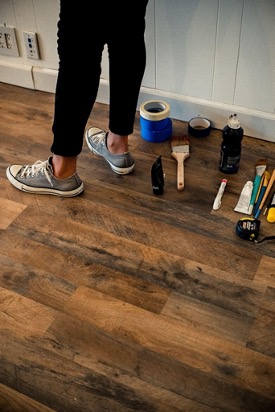
You can do many things to breathe new life into your home. Some projects you can tackle DIY, while others require the help of a reliable contractor. When reviving or refreshing your home, keep in mind that the end goal is to have a healthier space that promotes wellness for the entire family. Here are some suggestions on how to liven up your home. Value-Increasing Projects Your renovation considerations may differ if you plan to sell or rent out versus staying in your home. Renters may expect different amenities than homeowners. For example, updated lighting, fresh paint, and technology, among other things, can attract tenants to your rental property. Kitchen and Bath Some kitchen and bathroom projects add value because people spend a lot of time in these spaces, and everyone appreciates an up-to-date kitchen and a spa-like bath experience. However, refreshing these areas doesn’t have to cost a fortune. Simple changes, such as adding backsplash tile in your kitchen or updating lighting, add value and transform the space. And if you want to add some color, there are plenty of peel & stick wallpaper options to choose from. Outdoors and Curb Appeal Many homeowners and tenants enjoy entertaining. Outdoor improvements, such as fire pits, decks, and fences, increase home value. A beautifully landscaped lawn provides curb appeal and reveals that you take pride in your property. You may want to consider new landscape design, but before contacting a contractor to obtain a quote, read reviews online to ensure your contractor is qualified. In addition, you may find some who are offering money-saving promotions. Basement Consider unused space when thinking about a renovation project because usable square footage adds value to your home. Value-adding remodeling projects include adding a home gym or yoga space in your basement. Alternatively, families and those who entertain may appreciate an entertainment center. After a stressful day, a soothing meditation room may be just what you or other family members need to help you unwind. Organizational Ideas A chaotic environment is stress-inducing. Living in organized spaces helps relieve anxiety and promotes wellness. You can complete many home organization projects inexpensively with minimal supplies and a well-executed plan. Even children can appreciate organized areas where they can find their favorite toys easily. Picking up toys and putting them in their proper places can become a bonding experience for you and your child. Tips for Your Renovation Several of these changes can be DIY projects, but if your project involves plumbing or electricity, it’s best to hire a qualified contractor due to safety issues. Also, contractors normally provide a warranty for their work and relieve the stress of doing the work yourself. The cost of renovating your basement or other areas depends on your location, the materials you choose, and the complexity of your project. If you choose to add carpeting in your basement, remember to add subflooring because carpeting is prone to mold. Be sure to take before and after photos of any project and keep copies of all receipts for materials and labor. Family and Projects Revive and refresh your home by choosing projects that promote family wellness. Simple projects in which the entire family can participate, such as adding wallpaper, encourage family bonding while providing them with a healthier, more organized, and usable space. Franklin Investment Realty agents will provide the information necessary to make the home buying process as easy and efficient as possible. Our agents specialize in the Greater Philadelphia real estate market and have years of experience within the region. Call us today! – Rhonda Underhill
Should You Rent Or Buy?
Deciding to rent or buy a home is a major financial decision. It affects almost every aspect of your life. So, how do you know which option is the best one for your situation? There are advantages and disadvantages to both renting and buying. Purchasing a home involves several steps that include getting approved for a loan. You also have to come up with a down payment. Renting is easier. It is also more affordable, but do you want to forego owning property? If you are having trouble deciding, here’s what you want to consider before signing a rental or mortgage agreement. Do You Want The Same Address for Several Years? Do you want to become part of a community or have the flexibility of changing addresses every year or so? The answer to this question can help you decide if renting or buying is the right option. Most buyers plan on staying in the home for at least five years. It gives you time to settle into the neighborhood and make the house your home. You can sell a newly purchased home after a year or two, but you can end up losing money on closing and moving costs. Compare Average Home and Rental Prices It’s a good idea to compare the costs associated with renting versus buying. Initially, renting is often the more cost-effective option. You don’t have to pay closing costs, come up with an adequate down payment, and have cash set aside for home maintenance. Home repairs can also quickly add up, depending on the property’s condition. Most rental contracts only require a security deposit, along with the first and last month’s rent. Home buying is more expensive in the beginning, but over time it is more cost-effective than renting. Your mortgage payments are usually lower than monthly rent payments. You also have the option of refinancing. It does extend your mortgage terms, but you are paying a little less each month. Renters can only expect their costs to increase, sometimes by 5% or higher. Homeowners receive tax breaks not available to renters. Don’t forget about property value. Most home values increase over the years, putting extra equity in your pocket. Consider Your Current Lifestyle Homeownership doesn’t fit every lifestyle. Frequent travelers, either for work or pleasure, may want to focus on finding a rental property. Someone else handles the upkeep, maintenance, and repairs, leaving you free to see the world without worries. Anyone expecting a promotion to a position in another city may also want to hold off on buying a home. You aren’t going to have enough time to build up any equity in the property. You may also have to take a lower asking price if your move is within a few weeks or days. Renters may lose their security deposit for an early move, but it’s less of a financial hit than you get as a homeowner. Take a Look at Your Finances Before you make any decisions, take a look at your finances. Add up the costs associated with buying versus renting and see what you can comfortably afford. A common mistake homebuyers make is buying a house they can’t afford. It’s nice to have some extra space, but the problems come when you realize the mortgage payments are higher than you expected. Ideally, you want your down payment to be around 20% of the home’s selling price. You also want to have enough cash leftover for maintenance and repairs. Your finances also determine what improvements you can make on the property. For example, if the property is in an area where storms are common you may want to add a portable power generator to keep the lights on. Renters have the advantage of relying on their landlord or property manager to take care of these improvements. If you are not comfortable with these and other costs associated with owning a home, renting may be a good option for the present time. Ready to start looking for a new home, contact Franklin Investment Realty today to see how we can help make homeownership a reality. – Karl Kennedy
Want to Upgrade a Fixer-Upper?
Want to Upgrade a Fixer-Upper? Know How to Proceed to Get the Most Profit Purchasing a home in the Greater Philadelphia area, renovating it, and then flipping or renting it can be a profitable investment. However, you should know a few tips, or you could find yourself losing money. Franklin Investment Realty will be there to guide you through the process and here are a few tips below. Consider a Real Estate Owned Property A real estate-owned property is one taken by a lender due to failure to pay. You can find listings for REOs in Philadelphia and the general vicinity on a real estate listing site, such as realtor.com. You can also check for listings through an auctioneer or on a bank or government site. Typically, an REO property is less expensive than a standard listing. Be cautious as you look for REO properties, though, because some may need significant repairs. Take into account the location and the nearby amenities. These play a major role as to whether the home will sell or entice renters. Additionally, get an appraisal to determine the listing price compared to the actual value. Rent or Sell Carefully weigh the pros and cons of renting or selling. Keep in mind that you’ll be responsible for the yearly taxes, even if you have periods when the home is vacant, if you rent. You’ll also need to maintain the house and make repairs as necessary. If you sell the home, you’ll only need to worry about paying taxes once. In addition, you may need to make certain repairs before closing if you sell. As a general rule, a home that you sell is held to higher standards than one you rent. Therefore, if the house needs significant repairs after the renovation, it may be in your best interest to rent the home. You should also take into consideration the housing market. If the current conditions are in the buyer’s favor, you may want to rent first and sell when it’s a seller’s market. When marketing the house, be sure to list it widely online with good photography. Use the best online image size converter to guarantee that your images look their best on each website. You can also use social media to publicize your listing. Know Your Responsibilities and the Law Know what you’re responsible for first before renting a home. Firstly, and possibly most importantly, you’ll need to comply with Pennsylvania laws. For instance, you must take care of major repairs, such as a broken toilet or heater. If you don’t keep the property up to code, a tenant may have a legal reason to withhold rent. You’ll need a written lease or rental agreement. The agreement should include information, such as the rent price and when it’s due. You may want to hire legal assistance to ensure you’re in adherence to Pennsylvania laws. Think About Hiring a Property Manager A property manager handles maintenance and repair. Hiring one may be especially important if you don’t live in the Philadelphia area since every time something needs to be repaired or maintained, you’d need to be there, possibly outside business hours. It’s also beneficial if you’re busy or unfamiliar with home repair. You can find local options online. Make sure you read reviews first as you compare. You’ll want to check for licensure and certifications. Turn That Fixer-Upper Into Profit Ensure your investment is profitable by making a sound decision regarding renting or selling. It’s also essential to understand the law and hire assistance when needed. – Rhonda Underhill