
How to Make Your Rental Property More Desirable

When it comes to investing in rental properties, it’s all about generating income to ensure profit. But like all types of investments, it comes with a risk. Mitigating those risks will require preparation, proper planning, and knowledge. Are you aware of the features that renters look for in a property? Are you sure those features will appeal to them? Whether you want to market your investment property or upgrade your current rental property, you should make it stand out. From significant modifications to minor tweaks, there are many tricks and hacks to make your property more appealing. To get you started, here are three of the most important steps you can take to make your property stand out from all the competition in Philadelphia, PA, and boost your revenue. 1. Hire a property manager You can always decide to manage the property independently, but you should know that managing a rental or even multiple properties is a full-time job. Achieving high returns requires constant attention and assessment of expenses versus the rental value to maintain quality tenants. An experienced and licensed professional will handle all the daily operations as they evaluate all areas with a focus on the long-term goal. You can also hire a backyard landscaping professional to upgrade your outdoors and lawn. But before you connect with a local contractor to discuss the upgrades and request a quote, you can research and assess companies by reading their online reviews. If you’re on a budget and worried about the costs, you can also evaluate which companies offer the best deals or credits for your landscaping project. 2. Fix any repairs This might sound obvious, but it’s easily overlooked. Walk around the property and look for areas that need fixing. Do you see any cracks in the walls? Are there any loose door knobs, light switches, or anything that seems off? Some quick fixes might seem minor, but they can make a huge difference. You want a good reputation and to show tenants that you’re an attentive and active landlord from the beginning – so ensure all appliances are in great condition. Constant maintenance during tenancies is important since it shows you care for your tenants and property; plus, it’s a good strategy to attract quality clients. 3. Video marketing your property If a picture is worth a thousand words, how many is a video worth? Video marketing is one of the most effective marketing techniques. And for other obvious reasons, renters connect more with houses visually, making it ideal for real estate expansion. Start by designing a video showcasing your property to attract prospective tenants. You can use a merge video tool to edit and quickly combine videos and images to design meaningful content. The tool basically allows the user to edit and share the exact moment they want to film/capture. Stand Out From the Competition Designing an appealing rental property can seem overwhelming or costly, but with the tips highlighted in this guide, and a compelling marketing video to attract quality tenants, all the hassle should be worthwhile. If you need a reputable property investment company in Philadelphia, PA, contact Franklin Investment Realty to help you in your venture. – Rhonda Underhill
Tips for Successfully Downsizing Your Home as a Senior

Downsizing is a common move for seniors. Smaller homes are easier and cheaper to maintain, which is why they appeal to retirees looking to save money and simplify life. Plus, downsizing is the perfect opportunity to move somewhere you’ve always wanted to live! By selling your home and buying a smaller space, you can free up cash for your retirement goals and get the most out of your golden years. Here’s how to navigate the downsizing process and ensure your move is a success! Talk to a Local Real Estate Agent Once you know where you want to live, get in touch with a real estate agent who is familiar with the area. A local real estate company like Franklin Investment Realty will help you find the perfect downsized home in your desired area. A great real estate professional can also help you determine how much money you can get for your existing home so you can arrive at a realistic budget for your new purchase. Consider Your Care Needs Before you start house-hunting, think carefully about your care needs. Do you anticipate yourself or your partner requiring assisted living or skilled nursing care in the future? If so, you may want to look for homes for sale near good nursing facilities. Skilled nursing facilities provide 24/7 care to people with medical issues. Do some research online to find information about the skilled nursing facilities in your area and be sure to read about pricing information and payment options. If you decide to move into a care facility, consider all the ways you can use your home equity to fund your care. Besides selling your home to cover your costs, you could also rent it out for monthly income. Prepare to Sell Your Home Unless you decide to hold onto your home and rent it out after moving, start preparing it for sale so you can find a buyer quickly. You may want to invest in a few low-cost upgrades to grab the attention of buyers. Certain upgrades might even pay off when you sell, increasing the value of your home enough to offer a return on your investment. Research which home projects are most likely to boost your home value so you can optimize your investment. Declutter Your Possessions If you’re downsizing your home, you’ll need to downsize your possessions as well. Start this process as early as possible. You might be surprised at how exhausting decluttering can be! Divide your home into sections and start small, working your way through single drawers and shelves at a time. It can help to create a couple of different piles for things you no longer want—one for the trash, one to sell, and one to donate. You can always hire someone to help with decluttering if it feels too overwhelming. The Simplicity Habit explains that a professional can help if you’re not sure where to start or have difficulty making decisions about what to keep and what to toss. Look for a professional who will work with you rather than take over the process entirely. Pack Early for an Easy Move The earlier you start packing for your downsizing move, the better. As you start packing up your things, you’ll likely come across more stuff that you can donate or throw away. Getting rid of excess clutter can help you save money on your move! By starting early, you’ll have plenty of time to sort through the last of your stuff and ensure you’re only moving things that will add to your quality of life after downsizing. This will also free up time to focus on all those last-minute moving tasks closer to your move date. Downsizing is a great way to simplify your life in retirement. Whether you decide to move across town or across the country, you won’t regret trading your big house for a smaller space. By downsizing, you’ll have more time and money to build the retirement of your dreams! Are you looking for a small home in the Philadelphia area? Franklin Investment Realty can help! Contact us today so we can answer any questions you have and discuss your home buying or selling needs. Call 215-382-7368 – Rhonda Underhill
Great DIY Remodeling Ideas to Help Sell a Home
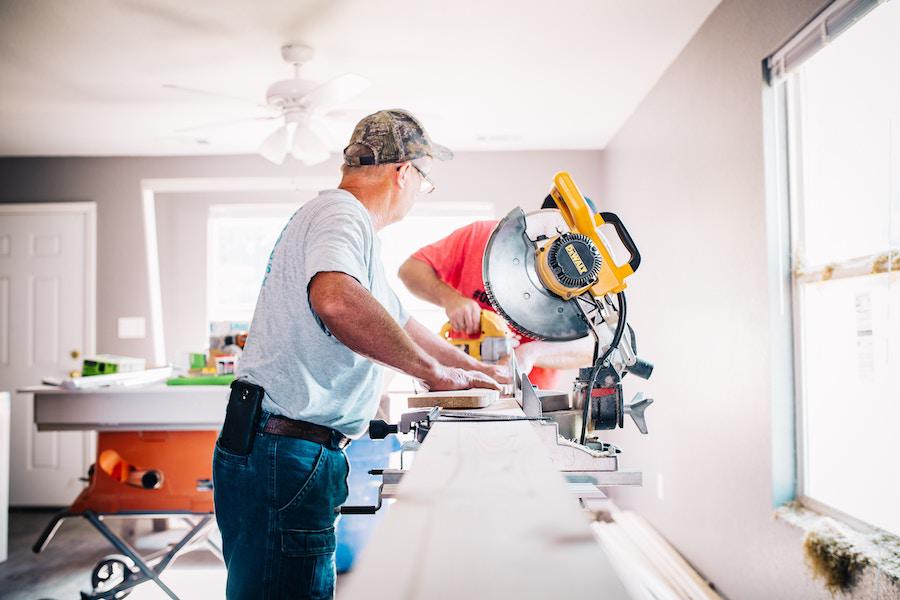
Selling a home can be exciting: but listing an unfinished home can leave you receiving far less money than you deserve. Instead, consider updating the home in small ways that can add up to a huge payout. These are some of the best remodeling ideas that will help you sell your home! Updating Your Windows Without Replacing Them We all want brand new-looking windows, but we don’t always necessarily need to replace them. If your windows are still in good condition, and you want to make sure they look great when you list your home: consider a window sash replacement! Your window sash is the part of your window that allows it to move up and down. These can quickly yellow or look rough over time, so replacing them can allow your whole window to look fresh and new. Although you can definitely replace the entire window if you feel the need to, it’s not always necessary: and this step can save you some money, allowing for a higher return on investment. Make The Master Bathroom Paradise What’s the master bathroom of the home look like? If it’s not gorgeous, it’s time to make it gorgeous. Put in the work to create a bathroom where buyers will picture themselves luxuriating and enjoying the soothing atmosphere. You can do this by adding a larger tub if there’s room, repainting, and replacing fixtures with more stylish ones. Remember to use materials that can handle a large amount of moisture in the air. Adding Better Water Drainage Water is one of the most corrosive materials on Earth, so it’s vital that you don’t allow too much of it to come into contact with your home. One of the best ways to do this is to complete a trench drain install. These trenches divert water away from your home, pulling it to a better area off of your property that won’t leave it damaged and at risk of flooding. If you’re not sure where to lead it to, check your local property lines and make sure you’re not diverting it into a neighbor’s lawn. Beautify Your Driveway Our driveway is our first and last point of contact with our homes: don’t allow this to come stained. Instead, look into how to remove oil stains from driveways. You can do this by using cat litter and chemical cleaners or any other absorbent material and a power washer. These will get the oil up and out and will allow you to deep clean the driveway without damaging it. If you want to take it further while you’re renting a power washer, take the time to powerwash any brick or stone on the exterior of your home. You can power wash siding, but it’s vital that you aim the nozzle downwards when you do to ensure that you don’t spray upwards into your insulation and damage your home. Let Nature Help Add Intrigue If your home sits on a lot of nothing but grass, you’re going to struggle to find people who feel inspired by that lawn. Lawn work is the cheapest way to add value and interest to your home while demanding you put in extra time and work. To add intrigue with plants, add flower beds at least six inches away from your home’s exterior walls and add features like shrubberies and flowering bushes. If you live in a climate that doesn’t allow for these: use plants that are native to your area instead. Use Great Stain to Touch Up Your Interior Photo: HGTV.com The interior of your home needs to flow naturally and feel like it’s unified without having to try too hard. One of the best ways to do this is to find the best stain for interior wood and allow your home to match thoroughly. It’s okay if there are one or two variances, but you should try for one main texture or stain. If you’re touching up your interior’s stain, take the time to remove previous stains or paint, sand it down, and prep the area correctly. This will allow the color to be applied in the smoothest way possible. Create Exterior Seating and Lounging Areas More people are looking for outdoor spaces for lounging than ever before. Thanks to so many people feeling cramped and stuck inside from 2020 to 2021; countless house hunters are looking for private outdoor areas where they can sit, enjoy the company of loved ones, and get in some fresh air. To do this, you can either lay down a concrete slab porch, create a gorgeous brick patio, or even build a deck if you can get the supplies for cheap enough while not wavering on quality. Make this a space where people will be excited to live. Every Property Can Sell if Well Planned Whether you’re selling your first home or you’re flipping a property and want to get the most out of it: consider these updates! Not only will they get more buyers in the door, but they’ll also inspire higher payments! – Sam Willis Sam Willis is a contributor to Innovative Building Materials. He is a blogger and content writer. Sam is focused on helping fellow homeowners, contractors, and architects discover materials and methods of construction that increase property value, maximize energy savings, and turn houses into homes.
How the Right Kind of Lighting Can Transform Your Home
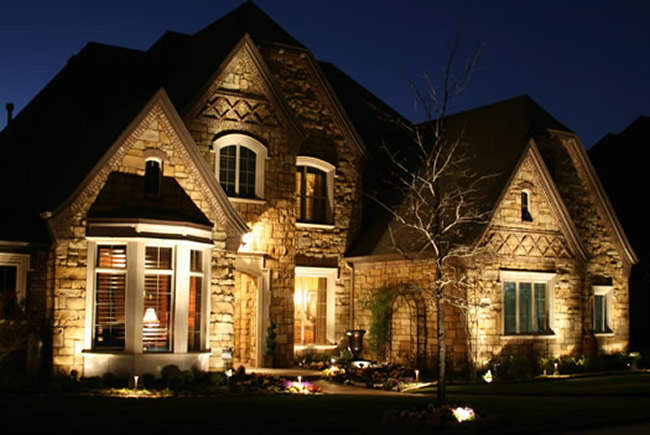
The right lighting can totally change the aesthetics of any room. In fact, the right kind can liven up a room, making it exciting and extremely eye-pleasing. It is important that you use reliable and good-quality electrical wires and cables while installing the lights. Let us learn more about lighting and how it can change the appearance of any room. Key Lighting Design Factors Area and size of the room Your preferences Height and shape of the ceiling Color of the walls, furniture and accessories Shadows and reflections in the room Daylight integrations Energy efficiency Level of illumination (lux) Electrical codes, documentation, and specifications 3 Types of Lighting General or Ambient Lighting This type of lighting is simply used to make an interior space visible. Ambient lighting is soft and allows you to function without a harsh glare. Use the right type of home wiring while installing these lights. Task Lighting Task lighting is concentrated, smaller lighting. It is meant to help you see clearly when you do activities like reading or sewing. It works well only when it is used as a contrasting light. Accent Lighting The primary objection of accent lighting is to draw the eye to its focal point. You can use it to add style and even drama to a room. Ensure house wiring is of high quality while installing these lights. How to Light Different Rooms of a House Entryways The entryways should be well-lit. One of the best lighting options for entryways is ceiling fixtures. Avoid downlights as they can create high contrast shadows. You can also use track lighting if you want to create a wall wash. Make sure the electrical cables are not visible when you fix the lights in the entryway. Stairs and Hallways There should be enough lighting in stairs and hallways to provide a safe passage for those using them. Install a light fixture every 4 – 6 feet. If you use the right type of lighting, you can make the area seem more spacious. You can use different light sources like wash lights or wall fixtures. Utility Rooms and Garages In these areas, you need plenty of ambient and recessed lighting. Utility rooms like the laundry area would require task lighting. Do not place the lights directly over the vehicles in the garage. Installing moisture-proof fluorescent lighting would be ideal. Go over the house electrical wiring to determine which would be the best spots to install lights. Living Rooms A living room is where you spend most of your waking hours. This is where you would gather with your family, host guests, watch television, read, or work. Multiple light layers, along with dimmable lights would look great. You can also use a combination of accent lighting and ambient lighting. Kitchens This is undoubtedly one of the most functional areas of the house. You don’t just cook in the kitchen, but also eat, hang out or even work. This means you need plenty of ambient light along with task lighting in the kitchen. Under-cabinet lighting can provide task lighting for the counters. Consider using energy-efficient lighting since you would use this space a lot. Dining Room Install beautiful light fixtures like chandeliers or pendant lighting above the dining table. You can also use track lighting and dimmers to create a more relaxed or romantic ambience. If you want to use recessed lighting, then aim the light toward the walls as it will create ambient light. Ensure that the home electrical wiring supports the installation of these lights. Bedroom Bedrooms should be relaxing and help you wind down after a long and tiring day. Moreover, the lighting should help you fall asleep. Ambient lighting, along with dimmer controls, will help you achieve that. Accent lighting will give the room a more decorative look. Don’t install any light directly above the bed. Bathrooms Bathrooms are all about function, safety, and aesthetics. You must have bright, even light that is shadow-free. Use recessed lighting as it would help free up space and offer a glare-free look. Choose a neutral light that is directed toward your face when you look at the mirror. To Conclude Remember that you must pay attention to the home electrical wiring system when you install the lights of your choice. Choose the right type of lighting, and you will see your home transform into a relaxing, comfortable and stunning place. – Jesson Pitt
Should I Renovate or Buy: 5 Things to Think About Before Deciding

When your house needs a lot of significant repairs to stay functional and comfortable for you and your family to live in, you may think the best choice is walking away from your current home and buying a new one. This is the right choice for some people, but others prefer to invest money into their current homes. If you are trying to decide which option is right for you, here are five things you need to think about. When you’re ready to purchase a Philadelphia-area home, connect with the Franklin Investment Realty team! Budget The size of your budget is the biggest factor in whether you should buy a new home or improve your current one to meet your needs. A new house is a huge expense, and even if you qualify for financing, you need to have a sizeable down payment. Your current home may need a lot of work to stay in good condition. You may want to contact a contractor to get an estimate on how much the repairs will cost. If the work will cost more than buying a new home, it’s not worth sinking money into the project. However, this is usually the more cost-efficient option. Current Real Estate Market The state of the current real estate market also has a huge impact on your decision. If the housing market is strong, you can expect to spend a lot of money on buying a new house. You may also have trouble purchasing the house you want because there are multiple offers as soon as it hits the market. When the housing market is slow, you may be able to find the house of your dreams for a better price with less competition. The state of the market also affects the price you will get for your current home if you decide to sell it. Emotional Attachment One study shows that 70% of Americans have emotional attachments to their homes. If you feel a strong connection with the house you currently live in, you may not be ready to move if you decide to buy a new house. Your emotional health may benefit more from upgrading your current home to meet your needs. Timing Many people find the process of buying a new house and moving stressful. If you have other life changes that are stressing you out, now is probably not a good time to move. Only consider moving if you’re not in the middle of a major change such as bringing home a new baby, starting a business or adopting a pet to reduce stress. Credit Score You need a good credit score to get a loan for a new house. If your credit history isn’t the best, you probably aren’t in a position to buy a new house at the moment. You may need more time to improve your credit score, or you can think about applying for alternative mortgage solutions. One good option for veterans is a VA loan. This option doesn’t require you to pay for private mortgage insurance and usually has a little to no down payment feature. VA loans also feature better interest rates than most other types of financing. Review current VA loan rates to determine your best options. Deciding whether to buy a new home or update your current one can be difficult. Think about these five things to make the best choice for you and your family. – Shirley Martin
Top Projects To Revive Your Home
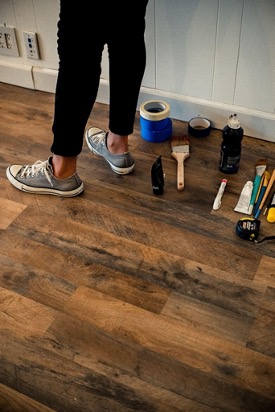
You can do many things to breathe new life into your home. Some projects you can tackle DIY, while others require the help of a reliable contractor. When reviving or refreshing your home, keep in mind that the end goal is to have a healthier space that promotes wellness for the entire family. Here are some suggestions on how to liven up your home. Value-Increasing Projects Your renovation considerations may differ if you plan to sell or rent out versus staying in your home. Renters may expect different amenities than homeowners. For example, updated lighting, fresh paint, and technology, among other things, can attract tenants to your rental property. Kitchen and Bath Some kitchen and bathroom projects add value because people spend a lot of time in these spaces, and everyone appreciates an up-to-date kitchen and a spa-like bath experience. However, refreshing these areas doesn’t have to cost a fortune. Simple changes, such as adding backsplash tile in your kitchen or updating lighting, add value and transform the space. And if you want to add some color, there are plenty of peel & stick wallpaper options to choose from. Outdoors and Curb Appeal Many homeowners and tenants enjoy entertaining. Outdoor improvements, such as fire pits, decks, and fences, increase home value. A beautifully landscaped lawn provides curb appeal and reveals that you take pride in your property. You may want to consider new landscape design, but before contacting a contractor to obtain a quote, read reviews online to ensure your contractor is qualified. In addition, you may find some who are offering money-saving promotions. Basement Consider unused space when thinking about a renovation project because usable square footage adds value to your home. Value-adding remodeling projects include adding a home gym or yoga space in your basement. Alternatively, families and those who entertain may appreciate an entertainment center. After a stressful day, a soothing meditation room may be just what you or other family members need to help you unwind. Organizational Ideas A chaotic environment is stress-inducing. Living in organized spaces helps relieve anxiety and promotes wellness. You can complete many home organization projects inexpensively with minimal supplies and a well-executed plan. Even children can appreciate organized areas where they can find their favorite toys easily. Picking up toys and putting them in their proper places can become a bonding experience for you and your child. Tips for Your Renovation Several of these changes can be DIY projects, but if your project involves plumbing or electricity, it’s best to hire a qualified contractor due to safety issues. Also, contractors normally provide a warranty for their work and relieve the stress of doing the work yourself. The cost of renovating your basement or other areas depends on your location, the materials you choose, and the complexity of your project. If you choose to add carpeting in your basement, remember to add subflooring because carpeting is prone to mold. Be sure to take before and after photos of any project and keep copies of all receipts for materials and labor. Family and Projects Revive and refresh your home by choosing projects that promote family wellness. Simple projects in which the entire family can participate, such as adding wallpaper, encourage family bonding while providing them with a healthier, more organized, and usable space. Franklin Investment Realty agents will provide the information necessary to make the home buying process as easy and efficient as possible. Our agents specialize in the Greater Philadelphia real estate market and have years of experience within the region. Call us today! – Rhonda Underhill
9 Ways to Properly Dispose of Demolition Debris
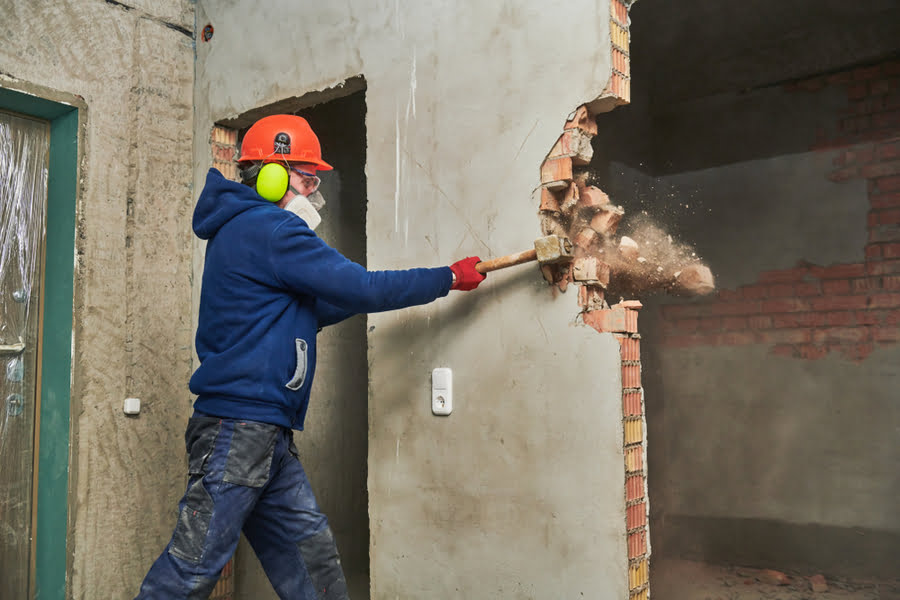
Construction and demolition (C&D) waste is produced during the construction, renovation, repair and demolition of homes, significant constructions, roads, bridges, locks and dams. Construction and demolition (C&D) waste are unlike everyday waste. You can’t just throw it in the trash, and your local dump truck can take it away. If you have significant debris, especially demolition or construction waste, you will need to organize your disposal differently. Credit: KnockItDown.com Some of the waste generated during the construction process can be eliminated. For example, a durable modular metal system for concrete construction may be picked to be effortlessly disassembled and reused in future projects, thereby avoiding wood waste in plywood and trimmed wood formwork. Disposal of waste can help reduce impacts on human health and the environment. Some of the most common types of construction and demolition debris include: Concrete Bricks Drywall Plaster Metal Roofing materials Glass Wood Wiring Plumbing fixtures Insulation (non-asbestos) Rock Soil How to Dispose of Your junk? Disposal methods based on your type of construction waste: Almost all types of construction debris can be recycled, including tiles, lumber, concrete, metals, plastics, rock, drywall, etc. If you wish to dispose of the debris yourself, you should check with your local facility to see if they can accept it. Also, keep in mind that the transport itself can be a challenge, especially if you have a lot of debris to carry. Construction materials classified as hazardous waste must be handled and disposed of following state or federal regulations. When constructing a building, take the time to evaluate the materials you need as accurately as possible and keep the project organized. R&D waste generated during construction may include hazardous, non-hazardous, biodegradable or non-biodegradable debris or waste. Construction and demolition waste collected in trash chutes and containers are transported to diversion facilities via truck. Waste is classification as non-hazardous and hazardous waste. The safe and best disposal methods of construction waste are: Donate: Some construction debris or useless materials can help some local or needy people. Sometimes decorative items or old devices find a new home through donations. Reduce: Choose What You Buy Carefully. Careful planning ensures that you don’t buy unnecessary and unsuitable materials that end up in landfills. For example, you can avoid unnecessary waste from pieces like pipes and wood simply by purchasing a more suitable size and length in advance. Reuse: Think about what leftover materials you could convert for other projects, such as bricks, windows, tiles, etc. It is also possible to transfer materials or exchange them for another construction site and participate in a recall program. Some of these schemes allow you to return the packaging to its original manufacturer. Recycle: Most of your waste is likely to be recycled, including wood, metal, plastic, paper, glass, concrete, drywall, asphalt, and more. Therefore, you need to separate recyclable waste so that collectors can dispose of and process it properly. Often, your materials manufacturer and your disposal company will advise what can and cannot be recycled and how to separate and store it. Rent a Dumpster: Dumpsters are available in various sizes, from 3 cubic meter bins to 40 cubic meter construction dumpsters and can be rented easily. It is the ideal solution for building, demolishing, cleaning houses, roofs, removing yard waste and recycling in bulk. Disposing of hazardous construction waste: Hazardous waste must be treated and disposed of according to the state or country regulations. Few commonly used disposal methods for dangerous construction waste are explained below: Disposal of Mercury-Containing C&D Waste: The items that contain mercury must be isolated and taken to a mercury recycler or consolidation site. It is recommended to label and store mercury contained devices to ensure proper disposal. Disposal of Lead-Based C&D Waste: Remove all lead-containing building materials and store them in containers. Get in touch with your local waste authority for instructions on how to dispose of lead paint residue. Disposal of Asbestos Construction Waste: Asbestos waste must be packaged appropriately in airtight containers. It is packaged and disposed of at an approved disposal site. Demolition waste must not be shredded, shredded, ground, ground, mulched or otherwise treated to improve recovery before disposal. By properly disposing of construction and demolition debris, you can save money and reduce waste. – Erich Lawson
Renovating Your Floor? Consider these 5 Things First!

The flooring of your home plays a vital role in setting the tone for your interior. Whether it be a new home or renovation, flooring makes a significant impact on the overall design theme of any space. As the floor is the most exposed part of your interior and goes through regular wear and tear, the practicality and durability of the flooring material also has a crucial function. Such factors make selecting an appropriate flooring material a highly essential task. Consider These Things First! Before you get started with your floor renovation, here are a few things that you should keep in mind. Don’t Replace – Fix It! While completely getting rid of the damaged floors seems appealing, you should first try to replace the damaged areas without getting rid of the good parts. Besides helping you save time, money, and energy, this will also prove beneficial for the environment. For example, single floor tiles that are easy to replace and can be switched out without damaging neighboring tiles. You can also clean up and re-grout old tiles to breathe a new life in them. Explore All The Options First Several flooring options, like carpets, vinyl, tiles, etc., are available in the market. However, vinyl flooring has recorded a rise in demand due to its durability and the variety of available design options. Quick research will show you that materials like tiles and hardwood floors are more expensive options. The bottom line is that if you stay open-minded about the products and their varieties, you can discover many flooring options that you may not have even initially considered. Durability The durability of flooring material, often overlooked, is very important while installing floors. Vinyl, hardwood floors, laminates, and adequately installed tiles can prove durable options for your home. However, before installing your flooring, you have to consider the related features for durability, such as ensuring that the subfloor is smooth and flat. An uneven subfloor can negatively impact the durability of your flooring, with tiles laid on such surfaces often cracking or breaking easily. Resale Value Installing the correct type of flooring can enhance the resale value of your home. While hardwood floors have the most significant impact on the resale value, other flooring materials can also help increase it. Tiles also prove relevant tools here. If installed correctly and with a trendy aesthetic, tiles significantly increase the resale value besides contributing to your home’s functionality and visual appeal. 5 Simple Ways You Can Renovate Your Floors On A Budget Here are 5 material choices that you can use to enhance your home’s quality while remaining within the budget. Tile Tiles are one of the oldest, most popular, and most commonly used types of flooring. These are available in various materials, like ceramic, vitrified, porcelain, etc. They are also available in different finishes like glossy, super glossy, matte, and multiple sizes, shapes and patterned tiles as well. Tile is well-known as a fantastic flooring option for a variety of reasons. The first reason is because it is inexpensive. In addition, the tile is waterproof, which is ideal for areas such as kitchens and bathrooms. Concrete Concrete flooring, while slightly expensive, is an excellent flooring option. Highly functional, the flooring is super robust and suitable for various areas. It is primarily used for the basement, which often has water seeping through the floor or walls. However, similar to tiles, concrete is a cold-flooring option and fails to retain most of the heat. Hardwood floors You can never go wrong with wooden flooring. Pair it up with wood wall tiles, and you have a warm and inviting space waiting for you! All hardwood floors have unmatched beauty and go well with all decors. While these floors are a bit expensive, their durability makes up for it and makes them one of the best choices in the category. The only major drawback is they get damaged easily and require considerable maintenance. Laminate The usage of laminate flooring has increased exponentially over the past few years. Their ease of installation and low-cost material are the two main reasons for increased demand. However, the biggest drawback of this flooring is that if it gets damaged, the whole flooring needs to be replaced, which puts them on the costly side of the flooring spectrum. Vinyl Vinyl, an affordable flooring option, is apt for use in all the parts of your home. It replicates the look of stone or hardwood flooring and augments the visual of the house. However, vinyl can also be torn and dented easily, making it essential to take care of them. It is imperative to choose the correct flooring for your space, considering the aesthetic, durability and cost of the flooring in mind. What works for one room may not work for another. Thus, it is best to complete your own research before investing in a flooring option, as you are going in for a long-.term investment. – Isha Tandon Isha has worked within the architecture and interior design industry as a flooring consultant expert – specializing in tiles, stones, and terrazzo. She has worked with Orientbell Limited, a leading tile manufacturer in India, as a product development manager in the design team and has recently joined the marketing team as their digital content expert. Her experience comes in handy in understanding the audience as she creates value-driven functional & informational content for the readers. She creates lifestyle pieces that focus on interior design products, trends, and processes. She loves to travel to historic places with rich architecture.
2 DIY Ways to Refinish Hardwood Floors (Without Sanding)

Your property’s hardwood floors can take quite a beating. This may be due to tenant turnover (since they move furniture), usual wear and tear, or perhaps even because of pets. In any case, the once-sparkling hardwood flooring in your property may need a touch-up. In this post, we’ll be discussing 2 of the best DIY methods to refresh your flooring without having to deal with the expense and mess of sanding. Using a Chemical Abrasion Kit 1. Clear and Clean the Room Before you begin, make sure that you have removed all partial fixtures and furnishings, including shelves, curtains, and even doors that come in the way. After doing so, clean your hardwood floors with a damp cloth so that all the grime and dust are cleared up. 2. Apply the Chemical and Begin Scrubbing Get hold of the abrasive pad included in the abrasion kit and then carefully pour the chemical to a 4 x 4 section of floor. Using your abrasion pad, scrub firmly over the section and move on to the next. Make sure you prevent spills and puddles because doing so could cause them to seep into the floor. Once you’re done with the entire area, the floor shouldn’t be entirely dry. Instead, a thin film of the chemical should work perfectly. 3. Clean Again After allowing your floor to dry for 30-minutes, mix 2-tablespoons of dishwashing liquid into warm water and then mop over the floor to neutralize the chemical residue. Try to moderately dampen your mop so as to avoid forming clean-up puddles and causing water damage. 4. Touch-Up Deep Scratches Next, get hold of a cotton swab or an artist paintbrush and apply a matching stain inside deeper scratches. Feather over the strain to make sure it blends with your floor, and then dry it up with a hairdryer. 5. Coat the New Finish Before coating your floor, try to plan how you’ll apply the finish, so you don’t get backed up into a corner with nowhere to go. Start by moving along the grain of the floor and make sure not to form any puddles while doing so. Buffing and Polyurethane for Recoating 1. Rent a Buffer Head over to a home improvement store and rent a buffer. It may be a little expensive, but it’s definitely worth the cost. 2. Clean-Up Again, make sure the room is empty and your floors are free from dust or gunk. Also, while cleaning, pay attention to areas that have stripped finishes, dents or deep scratches. 3. Address the Deeper Scratches If you found deep scratches, douse these with mineral spirits (works for lightly-colored floors). Alternatively, you can use a cotton swab or paintbrush to apply a stain that matches your hardwood flooring. 4. Turn the Buffer On For this part of your DIY project, you will require some sanding screens. After your floor has been cleaned up, place a sanding screen under your rental buffer (ask for a tutorial at your home improvement store). It is also important to mention here that sanding screens typically wear out after about 10 to 15 minutes of use. This is why you should keep checking the screen for a buildup of grit, as this will scratch your floor. Now turn your buffer on and move it back and forth from wall to wall and work your way around the room so that you don’t back yourself into a corner or pass over the wood more than you have to. 5. Finish Up After thoroughly vacuuming the room for dust, use oil-based or water-based polyurethane, depending on the type of hardwood floors you’re dealing with. Next, use a high quality paintbrush to apply the finish from wall to wall before using an applicator pad attached to a broom to spread the finish in the direction of the grain. Final Words When it comes to DIY renovation of hardwood flooring, make sure that you consult the experts before going at it on your own. Try to consult a sales representative at the hardware store, a fellow property manager, or a contractor to find out what is best for your needs. In doing so, you will save a lot of time, energy and money. Good luck! – Jivko Stefanov GoodJuJu
How to Prepare Yourself For a Real Estate Audit
Managing a rental property can be a pain in the backside, especially if you’re expecting a real estate audit. Instead of dreading that Godawful date, what you need to do is to make sure your property complies with regulations and strict accounting standards. In short – you need to get audit-ready. What Do Real Estate Auditors Look For? To put it simple, your auditors will look for accountability and accuracy. Don’t mistake their painstaking process for hostility because they will never try to trick you on purpose. What’s more, a real estate audit never has a pass/fail outcome. In reality, a real estate audit only tries to streamline your business practices based on state and federal regulations. In other words, they try to make your real estate business legitimate for the benefit of your investors, partners or tenants. When Can You Expect a Real Estate Audit? Depending on where your rental property is located, you will need to be audit-ready in order to be able to provide monthly reports and accountability check-ins. In contrast, some areas may be subject to random audits or when someone files a complaint against the property. If you can’t seem to find any clear audit schedule for your neighborhood, this does not mean that you are immune to unexpected visits. You see, even the IRS may request your banking documentation and financial records for an audit. By Getting Audit-Ready You Will… Feel a lot less anxious about the audit Make the process easier and painless Be more aligned with state and federal regulations Have up-to-date accounting records Be prepared for annual tax reporting Reduce legal and financial risks How to Prepare for an Audit 1. Dedicate Your Spare Time to Data-Entry and Analysis Prepare accounting statements and analyze your entries whenever you find time to spare from the office or household chores. Of course, if you’re concerned about the shortage of time, you might have to manage office hours in a manner that you can prioritize data-entry accordingly. 2. Don’t Take Shortcuts It might seem like a good idea to skip some details, but don’t expect your real-estate auditors to be as forgiving. What you need is an accounting software that summarizes your accounts with brutal detail and splits them into memos, invoice numbers, transactions, and document checks. Once you get a hang of the software, all you need to do is enter quantities and, perhaps, notes alongside each transaction to annotate correspondences or phone conversations. You can also use some rental property accounting softwares to set reminders to update your compliance documentation and business licenses. 3. Don’t Get Too Creative The only things you accounting software should help you summarize are: Rental property transactions Tenants moving in and out The receipt and returns of security deposits Proof of transactions. 4. Conduct Your Own Audits In doing so, you might come across accounting errors or problems in business documentation and licenses. To help streamline your own in-house audit, you should implement bank reconciliations, review your documents and always check-off what you’ve audited in a checklist. 5. Focus on Transparency Transparency helps reduce the signs of clear mismanagement, fraud or commingling. By adding more transparency into your accounts, your auditors will be satisfied with the degree of detail and accuracy in your ledgers. Need Assistance? You can always hire an experienced property manager, to streamline your tasks for you. By hiring a property manager, your real-estate business will be audit-ready in no time and all you will need to do is make all the decisions or follow-up on their activities whenever your schedule allows you to. – Jivko Stefanov GoodJuJu