
Guide to Philadelphia Investment Property

Guide to Buying Rental Property In Philadelphia Millennials, people between the ages of 23 and 38, have surpassed Baby Boomers as the nation’s largest adult generation. But they still trail the Boomers when it comes to being heads of households. But the strange thing is, millennial households dominate the home rental market. Because our largest adult generation would rather rent their home than own it, the real estate market is ripe for people looking to invest in income properties. America’s Favorite Long-Term Investment The popularity of real estate is near an all-time high. Low interest rates and the millennial generation’s desire to rent rather than own is increasing the demand for rental real estate. Is it time to get into the landlord business? Owning a piece of rental property can be a great investment when it is approached with a long-term outlook. Someone else pays down your mortgage, you keep the rent that exceeds the mortgage payment, and hopefully the home’s value increases over time. Financing Can Deliver Better Returns Some people think that if you are going to buy an income property it should be done with all cash. That way the entire rent check goes into your pocket. As an example, an investment of $100,000, the price of the home, may return $12,000 per year ($1,000 per month x 12), or 12%. However if you bought the same house using leverage, with only 20% down ($20,000), after interest charges your return on investment (ROI) could be over 25%. Where To Look: Location, Location, Location Everyone thinks they need to purchase a rental property where the monthly rents are the highest in a neighborhood where the buyer would want to live. That is not necessarily true. The people who gain the most from owning rental property are the ones that buy in areas with the greatest potential for appreciation. Remember we need to be thinking long-term. House appreciation will almost always surpass the money earned from growth in rents. This is where working with a knowledgeable realtor comes into play. They know where the desirable areas are that offer the greatest potential appreciation. Down The Road Owning a few paid off rental properties can really add to your Social Security check when you are ready to enter into retirement. You won’t have to “cut back” your lifestyle in retirement. You will be able to take more vacations, drive a nice car, and do the things that you have always wanted to do. Those things may be volunteering your time or spending more time with the grandchildren. If golf is your thing, you could visit and play some of the notable courses around the country, or even better, buy a golf simulator and play those courses on your projector without ever leaving your house. In The End You could invest in the stock market, but try going out to a company you’ve invested in and tell them you would like to tour the facility or look at the books. Fat chance of that ever happening! With an income property you are in control and you can drive by or enter it almost anytime you want. Owning income property can be an excellent investment. Approach it like a business and it can generate a substantial passive monthly income. Just realize that an income property is not an instant cash cow, it is a long-term investment. And in real estate, you make your real money when you buy, not when you sell. So spend some time with a Franklin Investment Realty agent that knows the market and can guide you to the better areas in and around Philadelphia to invest in. – Karl Kennedy
9 Ways to Properly Dispose of Demolition Debris
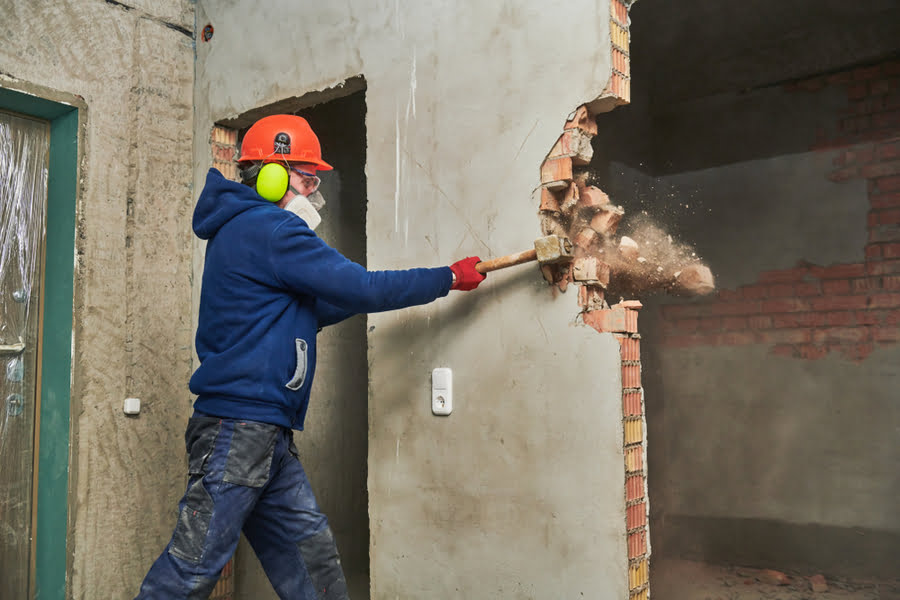
Construction and demolition (C&D) waste is produced during the construction, renovation, repair and demolition of homes, significant constructions, roads, bridges, locks and dams. Construction and demolition (C&D) waste are unlike everyday waste. You can’t just throw it in the trash, and your local dump truck can take it away. If you have significant debris, especially demolition or construction waste, you will need to organize your disposal differently. Credit: KnockItDown.com Some of the waste generated during the construction process can be eliminated. For example, a durable modular metal system for concrete construction may be picked to be effortlessly disassembled and reused in future projects, thereby avoiding wood waste in plywood and trimmed wood formwork. Disposal of waste can help reduce impacts on human health and the environment. Some of the most common types of construction and demolition debris include: Concrete Bricks Drywall Plaster Metal Roofing materials Glass Wood Wiring Plumbing fixtures Insulation (non-asbestos) Rock Soil How to Dispose of Your junk? Disposal methods based on your type of construction waste: Almost all types of construction debris can be recycled, including tiles, lumber, concrete, metals, plastics, rock, drywall, etc. If you wish to dispose of the debris yourself, you should check with your local facility to see if they can accept it. Also, keep in mind that the transport itself can be a challenge, especially if you have a lot of debris to carry. Construction materials classified as hazardous waste must be handled and disposed of following state or federal regulations. When constructing a building, take the time to evaluate the materials you need as accurately as possible and keep the project organized. R&D waste generated during construction may include hazardous, non-hazardous, biodegradable or non-biodegradable debris or waste. Construction and demolition waste collected in trash chutes and containers are transported to diversion facilities via truck. Waste is classification as non-hazardous and hazardous waste. The safe and best disposal methods of construction waste are: Donate: Some construction debris or useless materials can help some local or needy people. Sometimes decorative items or old devices find a new home through donations. Reduce: Choose What You Buy Carefully. Careful planning ensures that you don’t buy unnecessary and unsuitable materials that end up in landfills. For example, you can avoid unnecessary waste from pieces like pipes and wood simply by purchasing a more suitable size and length in advance. Reuse: Think about what leftover materials you could convert for other projects, such as bricks, windows, tiles, etc. It is also possible to transfer materials or exchange them for another construction site and participate in a recall program. Some of these schemes allow you to return the packaging to its original manufacturer. Recycle: Most of your waste is likely to be recycled, including wood, metal, plastic, paper, glass, concrete, drywall, asphalt, and more. Therefore, you need to separate recyclable waste so that collectors can dispose of and process it properly. Often, your materials manufacturer and your disposal company will advise what can and cannot be recycled and how to separate and store it. Rent a Dumpster: Dumpsters are available in various sizes, from 3 cubic meter bins to 40 cubic meter construction dumpsters and can be rented easily. It is the ideal solution for building, demolishing, cleaning houses, roofs, removing yard waste and recycling in bulk. Disposing of hazardous construction waste: Hazardous waste must be treated and disposed of according to the state or country regulations. Few commonly used disposal methods for dangerous construction waste are explained below: Disposal of Mercury-Containing C&D Waste: The items that contain mercury must be isolated and taken to a mercury recycler or consolidation site. It is recommended to label and store mercury contained devices to ensure proper disposal. Disposal of Lead-Based C&D Waste: Remove all lead-containing building materials and store them in containers. Get in touch with your local waste authority for instructions on how to dispose of lead paint residue. Disposal of Asbestos Construction Waste: Asbestos waste must be packaged appropriately in airtight containers. It is packaged and disposed of at an approved disposal site. Demolition waste must not be shredded, shredded, ground, ground, mulched or otherwise treated to improve recovery before disposal. By properly disposing of construction and demolition debris, you can save money and reduce waste. – Erich Lawson
Steps for Buying Your First Investment Property

Buying your first investment property comes with great excitement. However, it can also be scary, as you are unfamiliar with the territory of owning an investment property. There are many options and different factors that can influence your decision. While it may feel overwhelming at first, it’s easy to buy your first property if you follow the right steps. The key is knowing the reason you’re investing in real estate, your goals, and the obstacles that may be in your way. To get started with your real estate investing journey, here are the must-follow steps, presented below by the real estate professionals at Franklin Investment Realty. Get Pre-Qualified If you’re in the planning stages of buying a property, you should get pre-qualified for a mortgage. While this is not an official approval, it can help you raise the chance for financing. Pre-qualification tells you the things you need to get financing. For example, if your debts are too high, you can pay them off to boost your credit profile. Pre-qualification is an important step if you don’t have enough money to acquire the property without borrowing. Typically, a pre-qualification is good for about 90 days. However, when ready to buy the property, it’s recommended as it can speed things up when applying for a mortgage. Define Your Investment Strategy It’s crucial to approach real estate with a strategy; for instance, determine if you’re buying for the long-term or on a short-term basis. If you’re buying to hold, you need to consider things like maintaining the property, managing your investment, and ensuring you get the returns you expect. If you want the best results renting the property, you must consider a good location that is in high demand. Also, you can hire a property manager to help you with all that is required to keep your investment running smoothly. Look for Suitable Property After doing all the “leg work,” you need to find a suitable property. It’s easy to get the information you need without too much effort. Browse online here to see which properties are on the market. While doing the search, you don’t need to restrict yourself to a single geographic area. You can also explore outside your state. An easier option is to hire a buyer’s agent like Matt Scannapieco to assist in the search process. Due Diligence After locating the property you want to buy, it’s important to do due diligence. Home inspections are an important part of the buying process; after all, you need to know the property’s repair exposures to ensure you’re getting a reasonable deal. Talk to a contractor to know how much it would cost to fix any damages and plan for future improvements. There are different outdoor improvements you could do, including installing a new fence. There are many local fence companies you can contact for such a project. Ask for a quote for the project and also review the company’s performance by reading reviews online (sites like Angi allow you to read reviews from previous customers). The cost depends on the size of the fence and where you want to install it. All these costs should be a part of your calculation to decide if the property will give you a good return on investment. Create a Support Team Investing in real estate requires the collaboration of different people. You need eyes all over the place to create a successful portfolio. Your support team could include: An attorney An inspector A home contractor An appraiser A loan officer A real estate agent from Franklin Investment Realty These will work together to cover all angles and ensure your investment offers the best returns. You need someone to review the legality of documents, another to calculate the property’s value, and another to check the property’s soundness. You can also enlist the help of specialty services that can help you with specific tasks related to starting your business. For example, if you’re registering as an LLC, work with a company like ZenBusiness to ensure that all of your paperwork gets filed correctly with the state. Getting your first investment property is an important financial decision. You should consider a property that will appreciate in value and also give you cash flow. This is a good way to diversify and ensure you don’t put your eggs in one basket. These guidelines should help you understand where to begin so you can lay the foundation for success. – Rhonda Underhill
Renovating Your Floor? Consider these 5 Things First!

The flooring of your home plays a vital role in setting the tone for your interior. Whether it be a new home or renovation, flooring makes a significant impact on the overall design theme of any space. As the floor is the most exposed part of your interior and goes through regular wear and tear, the practicality and durability of the flooring material also has a crucial function. Such factors make selecting an appropriate flooring material a highly essential task. Consider These Things First! Before you get started with your floor renovation, here are a few things that you should keep in mind. Don’t Replace – Fix It! While completely getting rid of the damaged floors seems appealing, you should first try to replace the damaged areas without getting rid of the good parts. Besides helping you save time, money, and energy, this will also prove beneficial for the environment. For example, single floor tiles that are easy to replace and can be switched out without damaging neighboring tiles. You can also clean up and re-grout old tiles to breathe a new life in them. Explore All The Options First Several flooring options, like carpets, vinyl, tiles, etc., are available in the market. However, vinyl flooring has recorded a rise in demand due to its durability and the variety of available design options. Quick research will show you that materials like tiles and hardwood floors are more expensive options. The bottom line is that if you stay open-minded about the products and their varieties, you can discover many flooring options that you may not have even initially considered. Durability The durability of flooring material, often overlooked, is very important while installing floors. Vinyl, hardwood floors, laminates, and adequately installed tiles can prove durable options for your home. However, before installing your flooring, you have to consider the related features for durability, such as ensuring that the subfloor is smooth and flat. An uneven subfloor can negatively impact the durability of your flooring, with tiles laid on such surfaces often cracking or breaking easily. Resale Value Installing the correct type of flooring can enhance the resale value of your home. While hardwood floors have the most significant impact on the resale value, other flooring materials can also help increase it. Tiles also prove relevant tools here. If installed correctly and with a trendy aesthetic, tiles significantly increase the resale value besides contributing to your home’s functionality and visual appeal. 5 Simple Ways You Can Renovate Your Floors On A Budget Here are 5 material choices that you can use to enhance your home’s quality while remaining within the budget. Tile Tiles are one of the oldest, most popular, and most commonly used types of flooring. These are available in various materials, like ceramic, vitrified, porcelain, etc. They are also available in different finishes like glossy, super glossy, matte, and multiple sizes, shapes and patterned tiles as well. Tile is well-known as a fantastic flooring option for a variety of reasons. The first reason is because it is inexpensive. In addition, the tile is waterproof, which is ideal for areas such as kitchens and bathrooms. Concrete Concrete flooring, while slightly expensive, is an excellent flooring option. Highly functional, the flooring is super robust and suitable for various areas. It is primarily used for the basement, which often has water seeping through the floor or walls. However, similar to tiles, concrete is a cold-flooring option and fails to retain most of the heat. Hardwood floors You can never go wrong with wooden flooring. Pair it up with wood wall tiles, and you have a warm and inviting space waiting for you! All hardwood floors have unmatched beauty and go well with all decors. While these floors are a bit expensive, their durability makes up for it and makes them one of the best choices in the category. The only major drawback is they get damaged easily and require considerable maintenance. Laminate The usage of laminate flooring has increased exponentially over the past few years. Their ease of installation and low-cost material are the two main reasons for increased demand. However, the biggest drawback of this flooring is that if it gets damaged, the whole flooring needs to be replaced, which puts them on the costly side of the flooring spectrum. Vinyl Vinyl, an affordable flooring option, is apt for use in all the parts of your home. It replicates the look of stone or hardwood flooring and augments the visual of the house. However, vinyl can also be torn and dented easily, making it essential to take care of them. It is imperative to choose the correct flooring for your space, considering the aesthetic, durability and cost of the flooring in mind. What works for one room may not work for another. Thus, it is best to complete your own research before investing in a flooring option, as you are going in for a long-.term investment. – Isha Tandon Isha has worked within the architecture and interior design industry as a flooring consultant expert – specializing in tiles, stones, and terrazzo. She has worked with Orientbell Limited, a leading tile manufacturer in India, as a product development manager in the design team and has recently joined the marketing team as their digital content expert. Her experience comes in handy in understanding the audience as she creates value-driven functional & informational content for the readers. She creates lifestyle pieces that focus on interior design products, trends, and processes. She loves to travel to historic places with rich architecture.
2 DIY Ways to Refinish Hardwood Floors (Without Sanding)

Your property’s hardwood floors can take quite a beating. This may be due to tenant turnover (since they move furniture), usual wear and tear, or perhaps even because of pets. In any case, the once-sparkling hardwood flooring in your property may need a touch-up. In this post, we’ll be discussing 2 of the best DIY methods to refresh your flooring without having to deal with the expense and mess of sanding. Using a Chemical Abrasion Kit 1. Clear and Clean the Room Before you begin, make sure that you have removed all partial fixtures and furnishings, including shelves, curtains, and even doors that come in the way. After doing so, clean your hardwood floors with a damp cloth so that all the grime and dust are cleared up. 2. Apply the Chemical and Begin Scrubbing Get hold of the abrasive pad included in the abrasion kit and then carefully pour the chemical to a 4 x 4 section of floor. Using your abrasion pad, scrub firmly over the section and move on to the next. Make sure you prevent spills and puddles because doing so could cause them to seep into the floor. Once you’re done with the entire area, the floor shouldn’t be entirely dry. Instead, a thin film of the chemical should work perfectly. 3. Clean Again After allowing your floor to dry for 30-minutes, mix 2-tablespoons of dishwashing liquid into warm water and then mop over the floor to neutralize the chemical residue. Try to moderately dampen your mop so as to avoid forming clean-up puddles and causing water damage. 4. Touch-Up Deep Scratches Next, get hold of a cotton swab or an artist paintbrush and apply a matching stain inside deeper scratches. Feather over the strain to make sure it blends with your floor, and then dry it up with a hairdryer. 5. Coat the New Finish Before coating your floor, try to plan how you’ll apply the finish, so you don’t get backed up into a corner with nowhere to go. Start by moving along the grain of the floor and make sure not to form any puddles while doing so. Buffing and Polyurethane for Recoating 1. Rent a Buffer Head over to a home improvement store and rent a buffer. It may be a little expensive, but it’s definitely worth the cost. 2. Clean-Up Again, make sure the room is empty and your floors are free from dust or gunk. Also, while cleaning, pay attention to areas that have stripped finishes, dents or deep scratches. 3. Address the Deeper Scratches If you found deep scratches, douse these with mineral spirits (works for lightly-colored floors). Alternatively, you can use a cotton swab or paintbrush to apply a stain that matches your hardwood flooring. 4. Turn the Buffer On For this part of your DIY project, you will require some sanding screens. After your floor has been cleaned up, place a sanding screen under your rental buffer (ask for a tutorial at your home improvement store). It is also important to mention here that sanding screens typically wear out after about 10 to 15 minutes of use. This is why you should keep checking the screen for a buildup of grit, as this will scratch your floor. Now turn your buffer on and move it back and forth from wall to wall and work your way around the room so that you don’t back yourself into a corner or pass over the wood more than you have to. 5. Finish Up After thoroughly vacuuming the room for dust, use oil-based or water-based polyurethane, depending on the type of hardwood floors you’re dealing with. Next, use a high quality paintbrush to apply the finish from wall to wall before using an applicator pad attached to a broom to spread the finish in the direction of the grain. Final Words When it comes to DIY renovation of hardwood flooring, make sure that you consult the experts before going at it on your own. Try to consult a sales representative at the hardware store, a fellow property manager, or a contractor to find out what is best for your needs. In doing so, you will save a lot of time, energy and money. Good luck! – Jivko Stefanov GoodJuJu
What to Consider When Searching for a Seller’s Agent
It is important to get your property advertised to the widest audience in such a competitive market to aid in driving up the price. Properties today are receiving multiple offers and selling quickly. It is important to have a seller’s agent that knows how to navigate the nuances of these offers and has the proper negotiation skills to obtain the best deal. Exposing your property in many different avenues is key to getting your home sold for the highest price the fastest. An experienced seller’s agent will be able to provide a smooth listing process from day one all the way through settlement. A listing agent with an expansive network will be able to find a willing and able buyer for your property quickly. With the market demand at all time high, finding a good seller’s agent will only make things easier for home sellers. You can find out the best criteria for hiring a listing agent below: #1. Hire a Hyperlocalist Every seller needs a real estate agent who is a local expert. An agent will have access to & share the latest market data and interpret it for you to decide on the right property listing price. Their market knowledge will also allow prospective buyers to understand how the market will evolve and why this property is a lucrative real estate opportunity. Real estate agents with extensive experience in the local market know how to use critical real estate data in your favor to ink a great deal. #2. Ask for References Whether you are hiring a buyer or seller’s agent, do ask for references from their previous clients. Inquire for how long they have been in the business and their area of expertise, and ask numerous sub-questions about your situation. Google their name, and you’ll get client feedback on several sites, and check whether their previous clients have had positive experiences. Google reviews and reviews on other sites serve as a testament to the agent’s customer service experience and track record. #3. Know their Area of Focus It is imperative to be aware of your agent’s core area of expertise. Is your real estate agent into selling high-end vacation homes or Brooklyn apartments? Someone who has been selling expensive properties near Malibu beach would confront many difficulties in dealing with budget-conscious buyers looking for a small apartment in Philadelphia. So, pick the seller’s agent accordingly. #4. Evaluate Their Availability Selling a property is a time-consuming process and often doesn’t align with 9-5 working hours. It is best to search for a seller’s agent that has a team available who is reachable at all hours of the day. It is important to have an agent that is adaptable to get your listing shown as efficiently and frequently as possible. So, it boils down to how much time they can devote to market your property, get the deal done, and smoothly handle all the transfer responsibilities. #5. Go With Your Gut Instinct Well, as a matter of truth, it hardly takes a few minutes to tell if you are going to like them or not. And, the same goes with trusting a local estate seller’s agent. If your real estate agent seems like a slick salesman type, then overlook them because they are solely focused on your commission and not establishing good relationships in the market. So, the central idea is to trust your guts to have the final say. In the End At Franklin Investment Realty, we promise you the most trustworthy and market knowledgeable listing and buyers agents that will help you with the entire process of selling your property. Our real estate agents are well-versed with up-to-date marketing strategies to sell your property fast.
How to Prepare Yourself For a Real Estate Audit
Managing a rental property can be a pain in the backside, especially if you’re expecting a real estate audit. Instead of dreading that Godawful date, what you need to do is to make sure your property complies with regulations and strict accounting standards. In short – you need to get audit-ready. What Do Real Estate Auditors Look For? To put it simple, your auditors will look for accountability and accuracy. Don’t mistake their painstaking process for hostility because they will never try to trick you on purpose. What’s more, a real estate audit never has a pass/fail outcome. In reality, a real estate audit only tries to streamline your business practices based on state and federal regulations. In other words, they try to make your real estate business legitimate for the benefit of your investors, partners or tenants. When Can You Expect a Real Estate Audit? Depending on where your rental property is located, you will need to be audit-ready in order to be able to provide monthly reports and accountability check-ins. In contrast, some areas may be subject to random audits or when someone files a complaint against the property. If you can’t seem to find any clear audit schedule for your neighborhood, this does not mean that you are immune to unexpected visits. You see, even the IRS may request your banking documentation and financial records for an audit. By Getting Audit-Ready You Will… Feel a lot less anxious about the audit Make the process easier and painless Be more aligned with state and federal regulations Have up-to-date accounting records Be prepared for annual tax reporting Reduce legal and financial risks How to Prepare for an Audit 1. Dedicate Your Spare Time to Data-Entry and Analysis Prepare accounting statements and analyze your entries whenever you find time to spare from the office or household chores. Of course, if you’re concerned about the shortage of time, you might have to manage office hours in a manner that you can prioritize data-entry accordingly. 2. Don’t Take Shortcuts It might seem like a good idea to skip some details, but don’t expect your real-estate auditors to be as forgiving. What you need is an accounting software that summarizes your accounts with brutal detail and splits them into memos, invoice numbers, transactions, and document checks. Once you get a hang of the software, all you need to do is enter quantities and, perhaps, notes alongside each transaction to annotate correspondences or phone conversations. You can also use some rental property accounting softwares to set reminders to update your compliance documentation and business licenses. 3. Don’t Get Too Creative The only things you accounting software should help you summarize are: Rental property transactions Tenants moving in and out The receipt and returns of security deposits Proof of transactions. 4. Conduct Your Own Audits In doing so, you might come across accounting errors or problems in business documentation and licenses. To help streamline your own in-house audit, you should implement bank reconciliations, review your documents and always check-off what you’ve audited in a checklist. 5. Focus on Transparency Transparency helps reduce the signs of clear mismanagement, fraud or commingling. By adding more transparency into your accounts, your auditors will be satisfied with the degree of detail and accuracy in your ledgers. Need Assistance? You can always hire an experienced property manager, to streamline your tasks for you. By hiring a property manager, your real-estate business will be audit-ready in no time and all you will need to do is make all the decisions or follow-up on their activities whenever your schedule allows you to. – Jivko Stefanov GoodJuJu
What to Evaluate When Considering a Detached Garage
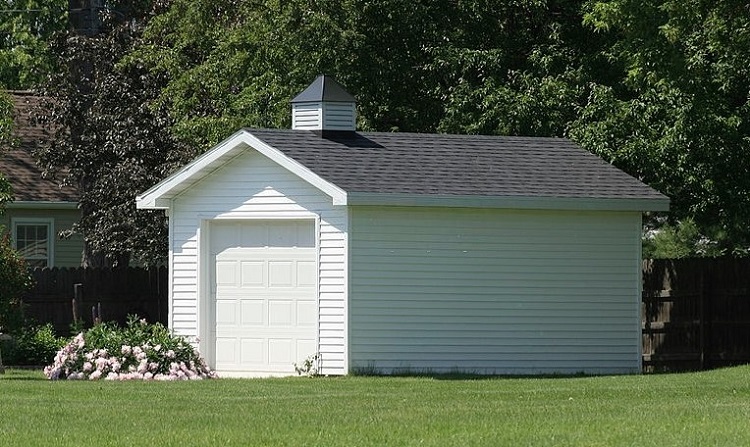
Garages are getting a new, fresh consideration by homeowners these days. Once, garages served one purpose: to house and shelter your car. Today, a garage can serve many purposes, including storage, a playroom for the kids (or a game room for adults), and even a guest room that can be rented out to generate income. If you already have a garage for one purpose, you may be considering a second garage for additional reasons. Great idea, but it takes some serious consideration and planning. Here are just a few things to keep in mind when planning a detached garage: Start with your best reasons for building: Extra storage space Renting the space in order to generate income To house additional vehicles To create some solitude (or a mancave) Build a plan: How large will the garage be? Will it shelter vehicles? More than one? What kind of doors and windows will you include? What type of roof? Will this construction require contractors (and subcontractors)? Know the rules: Does your community require permits or inspections before building begins? Who is liable in case of an accident during and after the construction phase? Check your homeowners insurance. Determine if you are going to need a contractor to help you: Plan to request at least three quotes. Don’t automatically consider the lowest quote. Instead, consider reputations and recommendations. Try not to cut corners. Make sure to check if your contractor is listed with the Better Business Bureau. Trust your gut: does this contractor inspire confidence? Sign a contract so that there are no gray areas or miscommunication about what is needed to be done and when. Consider building materials (and any related building codes): If using a contractor, request a bill of materials (BOM). This is a list of all the materials required for the project. What type of framing (lumber) will you need? What type of foundation materials will you need (most common: cement)? Will your garage be heated or air conditioned? You then need to consider HVAC services and equipment. What type of materials will you need for your roof? What type of door and window materials will you need? Do any of your materials need to comply with your local building codes? Should you consider a prefab detached garage kit? They’re often designed to accommodate one car (but there are exceptions). Some offer additional space for tools and storage. Consider a kit that may also create a guest room or additional housing unit (ADU). How much will this garage cost you? Of course, it all depends on what type of garage you are building and where you are located. $16,766-$38,954, according to Home Advisor $35-$60 per square foot/$19,600-$28,200 average total cost, according to Home Guide. Average cost for a two-car, single story, finished interior, 576 square foot, asphalt shingles, vinyl siding: $52,830, according to Fixr. Bottom line: It’s undeniable: we all need more space. A detached garage on your property may be able to solve logistical problems or help serve a new purpose. However, don’t move forward until you have all of your ducks in a row, knowing what you’re up against, how much the project will cost, and that you are building legally. – Karl Kennedy
Things to Look For in Your Next Home

As you start the home buying process, you will have to consider many important factors, above and beyond your own personal budget and buying power. While this can be a stressful process, there are things you can do to make the process simple and as stress-free as possible. Whether you’re a first-time homebuyer or a current homeowner, you can begin to prepare for the homebuying process by spending some time thinking about the things that are most important to you. At Franklin Investment Realty, we are here to not only help you purchase your next home, but help you truly think through exactly what you want – and need – in your next home. Welcoming Neighborhood One of the most important things to consider, relative to your own personal budget and buying power, is where you want to purchase your new home. Are you looking for a quiet neighborhood with a larger yard (Bucks County)? Or, maybe you’re looking for a new home in a more walkable neighborhood (Old City)? Perhaps you’re shopping close to work, or you’re looking to purchase a home in a specific school district? These are all really important things to consider as you start researching new homes and each answer will be specific to you and your family. With our many years of experience in the greater Philadelphia area, we are confident we can help you explore new neighborhoods and exciting pockets of the city, like Brewerytown and many other booming neighborhoods, and find the area that’s just perfect for you. Cozy Living Spaces and Amenities Another critically important decision you will need to make is determine exactly how much space you need – and how you want that space to be allocated throughout your home. Maybe you’re a chef and an impressive kitchen with ample storage is important to you; or maybe you would prefer a bonus media room for your children or a spare home office. Either way, determining exactly how many bedrooms and bathrooms you need in your next house is an important decision to make as you tour potential new homes. Another important decision you will need to make is to consider if you want your home to be move-in ready, or if you want to be afforded the opportunity to make your home your own with small – or large – renovations. In this housing market, and with our knowledge of the area, Franklin Investment Realty can help you consider the pros and cons of purchasing a move-in-ready home, or a charming fixer-upper that you can customize to be your own. Once you’re settled in your beautiful home, you can stay cozy and warm with an indoor movie night. Make your perfect night-in all the better with a home theater projector and stream your favorite holiday movies or shows anywhere in the house, maybe even outside if the weather allows, or stay indoors cozied up on the couch. To make the season even more special, you can build a hot chocolate bar complete with marshmallows, candies and peppermints. – Karl Kennedy
Exterior Home Projects that Increase Your Home’s Value

Spring will be here before you know it so now is a great time to start planning some exterior renovation projects that will be perfect for the warmer weather and boost your home’s value. The exterior of a home offers plenty of room for upgrades, so let’s go over some of the best projects you can undertake that will not only boost your home’s value but provide you some personal benefit as well. A New Roof The roof of your home has a huge impact on its value. By installing some fresh shingles or other types of roofing, you can achieve a fresh, crisp look up top that will be reflected in your home’s value. You can’t go wrong with new asphalt shingles, but you might also opt for synthetic cedar shakes, rubber slate roof tiles, or natural wood shakes. For an added bump in value, consider attaching some solar panels to your roof as well. Landscaping Another big-ticket upgrade that stands out upon first viewing of a home is a landscaping project. This can take the form of a beautiful, winding stone pathway, a pergola, gazebo, hedges, a garden, or anything else you can come up with. Having some sort of prominent, unique feature in your yard differentiates you from your neighbors and adds value to your home. Improve Your Facade Your facade generally refers to the front of your home. This includes everything from your siding to your front door. Improve it all in one fell swoop for maximum value. You can replace your front door with a newer version or style, or you could simply add a fancy knocker or some window panels. For siding, consider swapping out traditional vinyl for something with more value like fiber cement, stone veneer, or vertical metal siding which are some of the best house siding options on the market today. New Windows Windows play as big of a role in determining the value of your home as many other large features. They can let in natural light and improve the aesthetic tremendously if you pick the right kind. Adding a skylight or two as well as swapping out old windows for newer ones is another highly effective way to add value. Replace your old single-hung windows with more creative styles like a bay window, sliding windows, or even garden windows that allow you to grow flowers or vegetables indoors. Weatherproofing Leaks One easy and super cheap way to add value to your home is by weatherproofing windows and doors. Adding some weatherstripping, an AirDam, or both can eliminate those pesky air leaks and raise the energy efficiency level of your home, adding significant value to it. A New Garage Door Especially if your garage door is facing the street as most garage doors do, you need yours in tip-top shape. Try replacing your old door with a new one for a fresh look. There are plenty of styles and colors to choose from and nothing helps add to a home makeover than a brand new garage door. Upgrading from a manually opened garage door to an electronic one is highly advisable if you haven’t already. If you want to further improve your garage’s curb appeal consider adding a garage trim to it such as a curbed trim. A Pergola for the Backyard Shade is a hot commodity in these times, so give yourself some extra shade by building a pergola in your backyard. A pergola can be like a little oasis of shade, especially if you don’t have many trees in your backyard. There are even companies that offer kits and a full set of instructions for how to build your own pergola. Permeable Driveway If your home deals with driveway flooding at all, this can lower its worth. Raise your home value and remake your driveway by installing a permeable driveway with a built-in driveway drainage system. One of many driveway paving ideas is filling it with beautiful limestone which is even more durable than an asphalt or gravel driveway. Permeable paver driveways provide both style and functional drainage, lowering maintenance costs, and adding value to your property overall. Add a Water Feature A water feature is an excellent way to add some value to your home. By installing a fountain, duck pond, or even a small in-ground pool, you can add some serious character and depth to your backyard and thus achieve a higher asking price on the market. The types of materials to choose from when adding a water feature range from inexpensive to high-class and very expensive, so you have a lot of freedom to take this one as far as you want to. Upgrade your Home Exterior for a Big Boost in Property Value There are plenty of ways you can invest in your home’s exterior to raise its value. From smaller projects like weatherproofing your windows and doors or building a pergola, to slightly larger ones like adding a water feature, building a permeable paver driveway, or swapping out your old garage door for a new one, there’s no shortage of ways to raise your home’s value with some exterior remodeling projects in 2021. Contact Matt Scannapieco for a home value estimate and forecast for these exterior improvements. Matt Lee is the owner of the Innovative Building Materials blog and a content writer for the building materials industry. He is focused on helping fellow homeowners, contractors, and architects discover materials and methods of construction that save money, improve energy efficiency, and increase property value. – Matt Lee